







What's Happening?
NASA has documented a significant environmental change in Alaska's Brooks Range, where over 200 watersheds have experienced a shift in stream water color from clear to orange. This phenomenon, observed through satellite, aerial, and ground-based surveys,
is attributed to thawing permafrost soils accelerated by rising air and ground temperatures. The thawing exposes minerals that leach iron, sulfuric acid, and trace metals into the streams, causing the discoloration. Researchers from the National Park Service, U.S. Geological Survey, and universities have been studying these changes since 2013, noting a marked increase in affected streams over the past decade. The rusting rivers are a result of chemical weathering and microbial activity in thawing soils, which produce soluble iron that oxidizes in the water.
Why It's Important?
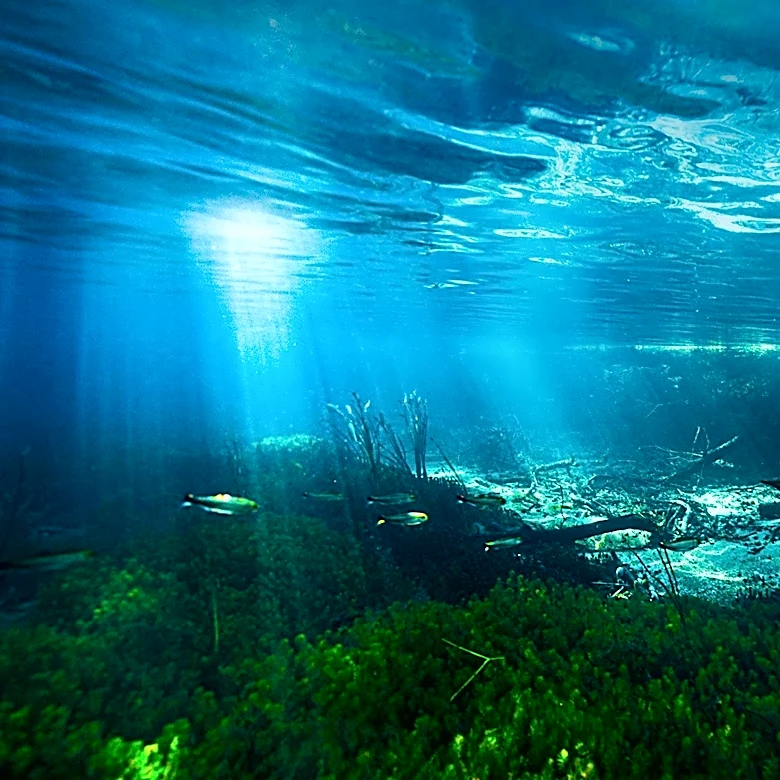
The rusting rivers in Alaska highlight the broader impacts of climate change on Arctic environments. The discoloration of streams poses potential risks to water quality and aquatic ecosystems, which are vital for local communities relying on these resources for drinking water and subsistence fishing. The phenomenon also serves as an indicator of permafrost thaw, which can have cascading effects on the region's ecology and infrastructure. Understanding these changes is crucial for developing strategies to mitigate the impacts of climate change on Arctic ecosystems and the communities that depend on them.
What's Next?
Researchers plan to conduct further studies to understand the conditions driving the onset of the orange color in streams and its seasonal variations. They aim to investigate the subsurface geology, hydrology, and permafrost through geophysical surveys. Additionally, the team seeks to quantify the effects on water quality and aquatic ecosystems, focusing on areas where rusting rivers overlap with fish spawning grounds. These efforts will help assess the long-term ecological impacts and inform conservation strategies.