




What's Happening?
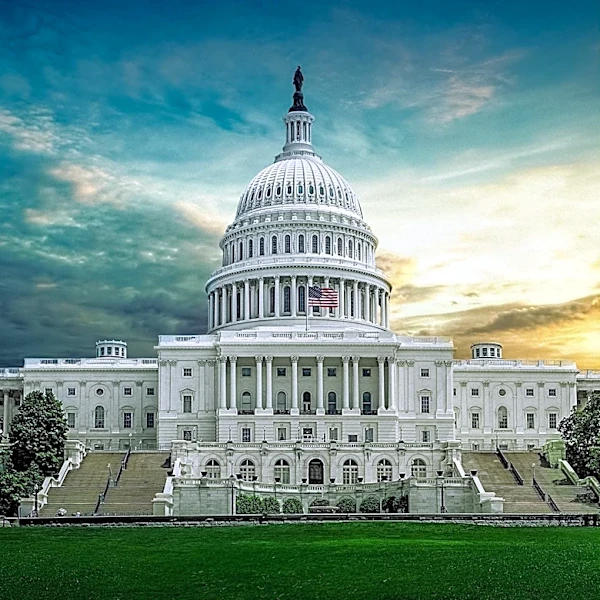
Texas Lt. Gov. Dan Patrick has proposed new legislation that would impose penalties on public schools that fail to remove books deemed 'vulgar' from their library shelves. During a press conference at the Texas Capitol, Patrick stated that schools could
face a reduction of an entire letter grade in their annual state performance ratings if found to have even a single objectionable book. This proposal follows a 2025 law, Senate Bill 13, which granted school boards the authority to approve and remove books based on complaints, a power previously held largely by school librarians. Patrick expressed concern that an overwhelming majority of school boards have not taken sufficient action under the existing law. He displayed covers of books he considered obscene, some of which he claimed depicted masturbation and graphic images of genitalia, asserting that these books are prohibited even in state prisons. Patrick emphasized that the state is not banning books, but rather preventing the use of taxpayer money to purchase and house such materials in schools.
Why It's Important?
This proposal marks a significant escalation in the ongoing debate over book content in Texas public schools, particularly concerning materials that address LGBTQ+ and race issues. The potential for schools to be penalized with a lower performance rating could have far-reaching consequences, including state takeovers of underperforming districts. This move could pressure school boards to be more aggressive in removing books, potentially limiting students' access to diverse literature and perspectives. Librarians and childhood literacy advocates argue that some of these books are crucial for students who may not see their experiences reflected elsewhere and cannot afford to purchase them. The legislation could also intensify the 'culture wars' in Texas, impacting educational policy, curriculum development, and the autonomy of local school districts. The lieutenant governor's position allows him significant influence over the Texas Senate's agenda, making the passage of such a bill a strong possibility.
What's Next?
Lt. Gov. Dan Patrick intends to push for the passage of this legislation in the upcoming session, leveraging his power as president of the Texas Senate to set the agenda. School boards and administrators across Texas will likely face increased scrutiny and pressure to review their library collections to avoid potential penalties. The proposal is expected to generate further debate and opposition from librarians, educators, and civil liberties groups who advocate for intellectual freedom and diverse representation in school libraries. Conversely, parent and activist groups who support the removal of certain books will likely rally behind Patrick's initiative. The outcome of this legislative effort could significantly reshape the landscape of school libraries in Texas, influencing what materials are available to students and how school performance is evaluated. Patrick, who is up for reelection, will face state Rep. Vikki Goodwin, D-Austin, in November, and this issue may play a role in his campaign.
Beyond the Headlines
This legislative push extends beyond simple book removal; it delves into fundamental questions about censorship, parental rights, and the role of public education in shaping societal values. The debate highlights a tension between protecting children from potentially inappropriate content and ensuring access to a wide range of ideas and experiences. The use of school performance ratings as a punitive measure introduces a new dimension to the controversy, potentially linking academic accountability with content control. This approach could set a precedent for other states grappling with similar issues, influencing how educational institutions balance community standards with intellectual freedom. The discussion also underscores the evolving nature of libraries as institutions, moving from passive repositories of knowledge to active battlegrounds in cultural and political discourse, with significant implications for the future of information access and literacy in the U.S.