




What's Happening?
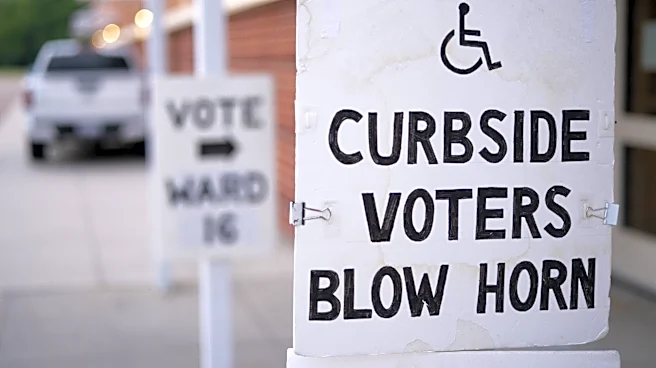
Disabled voters in the United States continue to encounter numerous obstacles across all stages of the voting process, from registration to casting ballots. A 2024 report by the US Election Assistance Commission and Rutgers University revealed that 14%
of voters with disabilities experienced issues in the 2022 midterm elections, compared to 4% of non-disabled voters. While accessibility has improved over two decades with more ramps and accessible machines, significant problems persist. These issues include difficulties with waiting in line, reading or writing on ballots, getting inside polling places, and accessing voting materials. Attacks on mail-in voting in many states disproportionately affect disabled individuals, especially those who are immunocompromised. Despite some exemptions for disabled people in these laws, concerns about mail ballots not being properly counted lead some to prefer in-person voting, where they often face other accessibility challenges.
Why It's Important?
The persistent accessibility barriers for disabled voters undermine the fundamental right to vote for a significant portion of the American population, with approximately 40 million disabled Americans eligible to vote. This systemic issue leads to disenfranchisement and unequal participation in democratic processes. The challenges highlight a failure to fully implement and enforce disability rights laws in the context of elections, reflecting a broader societal apathy towards accommodating marginalized groups. When a substantial demographic faces disproportionate hurdles, it compromises the inclusivity and fairness of elections, potentially skewing representation and policy outcomes. Ensuring equitable access to voting is crucial for a truly representative democracy and upholding the principle of one person, one vote.
What's Next?
Addressing the widespread accessibility issues for disabled voters will require multifaceted efforts. States may need to review and revise their election laws to ensure comprehensive accommodations, including clearer guidelines for in-person and mail-in voting. Increased funding for accessible voting systems, polling place improvements, and poll worker training will be essential. Advocacy groups like the Center for American Progress’ Disability Justice Initiative will likely continue to push for legislative changes and stronger enforcement of existing disability laws. Individual complaints under federal and state disability laws will remain a primary, though often challenging, remedy. There may also be a push for standardized, accessible voting technologies and practices across all states to ensure uniformity and reduce disparities.
Beyond the Headlines
The ongoing struggle for voting accessibility for disabled individuals points to deeper systemic issues beyond just election administration. It reflects broader challenges in societal infrastructure and attitudes towards disability inclusion. The reliance on individual complaints for enforcement, rather than proactive systemic changes, indicates a reactive rather than preventative approach to civil rights. This situation also highlights the intersectionality of various forms of voter suppression, where policies like restrictions on mail-in voting, while seemingly neutral, can have a disproportionately negative impact on specific vulnerable populations. Ultimately, achieving true voting accessibility requires a fundamental shift in perspective, viewing accommodations not as optional add-ons but as integral components of a just and equitable democratic system.