
What's Happening?
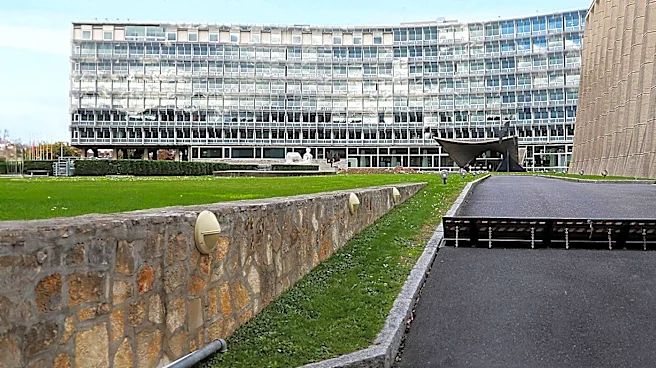
The United Nations Educational, Scientific and Cultural Organization (UNESCO) has released a new guide titled 'AI Answers. You Decide' to help educators equip students with critical thinking skills in an era
of artificial intelligence. This initiative, launched during Global Media and Information Literacy Week 2026, addresses the growing challenge of navigating AI-generated content and an increasingly complex digital information landscape. The guide, developed with input from eight international experts, aims to teach learners how to question AI-generated claims, recognize bias, and make informed decisions. It moves beyond the technical aspects of AI tools, encouraging a deeper understanding of AI's influence on knowledge, communication, power, and society. The publication builds on UNESCO’s Media and Information Literacy Curriculum, which was introduced in 2021 and has been adapted in over 40 countries. The guide is currently available in English, with French, Spanish, and Arabic versions anticipated.
Why It's Important?
This UNESCO guide is crucial for preparing the next generation to critically engage with information in an AI-dominated world. As AI-generated content becomes more prevalent, the ability to assess sources, identify bias, and verify claims is becoming an essential educational component. The guide's focus on media and information literacy (MIL) is vital for fostering an informed citizenry capable of distinguishing reliable evidence from misleading content. Without such skills, individuals are more susceptible to misinformation and disinformation, which can have significant societal and political ramifications. By empowering educators to teach critical thinking about AI, UNESCO is addressing a fundamental challenge to democratic discourse and informed decision-making. The initiative also highlights the ethical considerations surrounding AI, including who benefits from the technology and who might be excluded, thereby promoting a more equitable and just digital future.
What's Next?
UNESCO plans to organize a series of webinars to introduce the 'AI Answers. You Decide' guide and demonstrate its practical application for educators. These sessions will help teachers integrate the resource into their curricula, ensuring that learners develop the confidence and critical thinking skills necessary to question AI's answers and recognize its limitations. The upcoming translations into French, Spanish, and Arabic will broaden the guide's reach, making it accessible to a wider international audience. This ongoing effort underscores UNESCO's commitment to advancing media and information literacy globally. The success of this initiative will depend on its widespread adoption by educational institutions and the continuous adaptation of its content to keep pace with the rapid advancements in AI technology.
Beyond the Headlines
The launch of this guide reflects a broader societal concern about the impact of artificial intelligence on truth, knowledge, and human autonomy. The guide's emphasis on questioning AI and understanding its wider implications touches upon profound ethical and philosophical questions about the nature of intelligence, the role of technology in shaping human perception, and the future of education itself. It implicitly challenges the notion that AI can be a neutral purveyor of information, instead framing it as a powerful tool that requires human oversight and critical engagement. This initiative could catalyze a shift in educational paradigms, moving towards a greater focus on critical literacy and digital ethics, rather than merely technological proficiency. The long-term implications include fostering a more discerning public that is less susceptible to manipulation and more capable of navigating the complexities of an AI-infused information ecosystem.