






What's Happening?
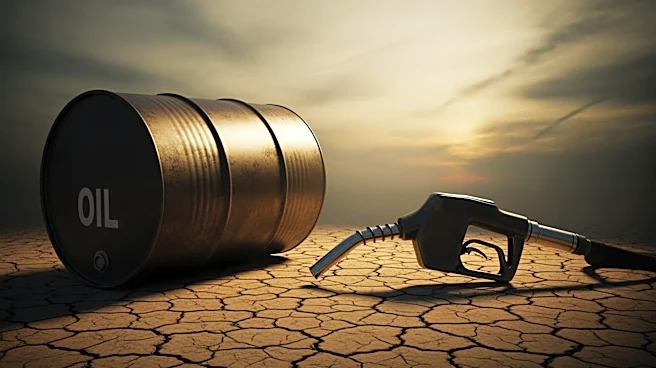
President Trump is set to address the nation regarding the ongoing conflict with Iran, amidst rising concerns about the economic impact reminiscent of the 1970s energy crisis. Gas prices have surged above $4 a gallon, and oil prices have increased significantly
due to disruptions in the Strait of Hormuz, a critical oil transit route. The situation has led to global energy supply concerns, with potential long-term economic consequences. Analysts warn that the conflict could lead to further increases in oil prices, potentially surpassing historical highs.
Why It's Important?
The current conflict with Iran poses significant risks to the global economy, particularly in terms of energy supply and prices. The U.S. and other countries could face economic challenges similar to those experienced during the 1970s energy crisis, which had lasting impacts on inflation and economic stability. The situation underscores the interconnectedness of global energy markets and the potential for geopolitical conflicts to disrupt economic systems. The U.S. government's response to this crisis will be crucial in mitigating its impact on American consumers and the broader economy.
What's Next?
As the conflict continues, the U.S. government may need to consider measures to stabilize energy markets and address potential economic fallout. This could include strategic petroleum reserve releases or diplomatic efforts to de-escalate tensions with Iran. The situation also highlights the need for long-term energy policy strategies to reduce reliance on volatile regions and promote energy independence.