
What's Happening?
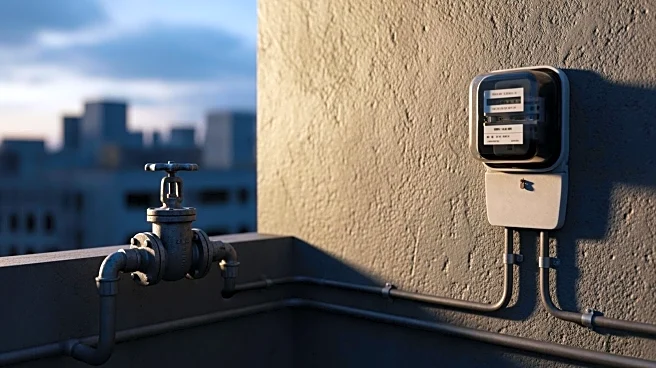
The United Nations Relief and Works Agency for Palestine Refugees in the Near East (UNRWA) has condemned Israel's recent decision to cut off water, communications, and electricity to its facilities in Gaza.
This action follows the enactment of a new Israeli law aimed at disconnecting UNRWA facilities from essential utilities and services. The UN agency has labeled the move as 'outrageous and illegal,' arguing that it contravenes international obligations. The decision has sparked significant concern as it affects the operations of UNRWA, which provides critical services to Palestinian refugees in the region. The agency's response highlights the potential humanitarian impact of such measures, emphasizing the need for compliance with international law.
Why It's Important?
This development is significant as it underscores ongoing tensions between Israel and international organizations operating in the region. The disconnection of utilities to UNRWA facilities could severely impact the agency's ability to deliver essential services, including education, healthcare, and food assistance, to Palestinian refugees. This move may exacerbate the humanitarian situation in Gaza, where resources are already scarce. Additionally, the action raises questions about the adherence to international legal standards and the potential for increased diplomatic friction between Israel and the United Nations. The broader implications could affect international relations and the stability of humanitarian operations in conflict zones.
What's Next?
The situation may lead to increased diplomatic efforts to resolve the dispute, with potential involvement from other international bodies and governments. UNRWA and its supporters might seek to engage in dialogue with Israeli authorities to restore utilities and ensure the continuation of humanitarian services. The international community may also call for adherence to international law and the protection of humanitarian operations. Monitoring the response from both Israel and the UN will be crucial in understanding the future dynamics of this issue.
Beyond the Headlines
The decision to cut utilities to UNRWA facilities highlights the complex interplay between national policies and international humanitarian efforts. It raises ethical questions about the responsibilities of states to uphold international agreements and the rights of refugees to access essential services. The situation could lead to a reevaluation of the role and effectiveness of international organizations in conflict zones, as well as the legal frameworks governing their operations. Long-term, this incident may influence how similar situations are handled globally, potentially prompting reforms in international humanitarian law.