





What's Happening?
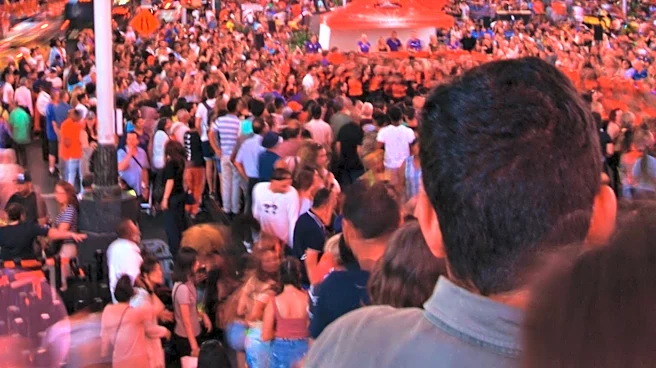
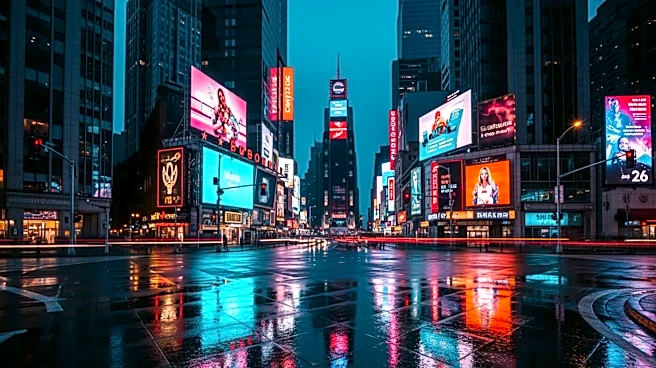
A planned Times Square ball drop to celebrate the United States' 250th anniversary will proceed without public attendance. The event, scheduled for midnight on July 3, will be broadcast live but will not allow spectators in Times Square. This decision
follows an emergency order by Mayor Zohran Mamdani, which bans public celebrations during the FIFA World Cup in New York City. The event organizers, America250 and One Times Square, confirmed the ball drop will occur at One Times Square, featuring a live broadcast and celebration. However, the event has not yet received the necessary permits for a public gathering, and it remains uncertain if these will be granted. The NYPD Police Benevolent Association criticized the city's handling of police staffing, suggesting that better management could have avoided the need for such restrictions.
Why It's Important?
The decision to hold the Times Square ball drop without public attendance highlights ongoing challenges in managing large-scale events in urban areas, particularly during major international events like the FIFA World Cup. The restriction reflects concerns over public safety and resource allocation, as the city grapples with police staffing shortages. This situation underscores the broader implications for event management and public safety in major cities, where balancing celebratory events with security needs is increasingly complex. The absence of a public gathering for such a significant national milestone may also impact local businesses that typically benefit from increased foot traffic during large events.
What's Next?
Negotiations are ongoing regarding the permits required for the event, and further details are expected as the date approaches. The city and event organizers will need to coordinate closely to ensure the broadcast and celebration proceed smoothly. The situation may prompt discussions among city officials, law enforcement, and event planners about future event management strategies, particularly in light of staffing challenges. The outcome could influence how New York City and other major urban centers approach public events during periods of heightened activity or international focus.