





What's Happening?
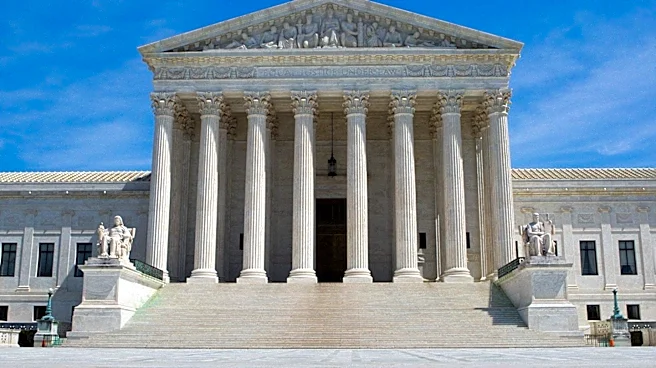
On November 9, 2026, the Surface Transportation Board (STB) issued a Policy Statement on Jurisdiction and Preemption Under the ICC Termination Act (ICCTA). This statement aims to clarify existing inconsistencies in STB decisions regarding federal preemption
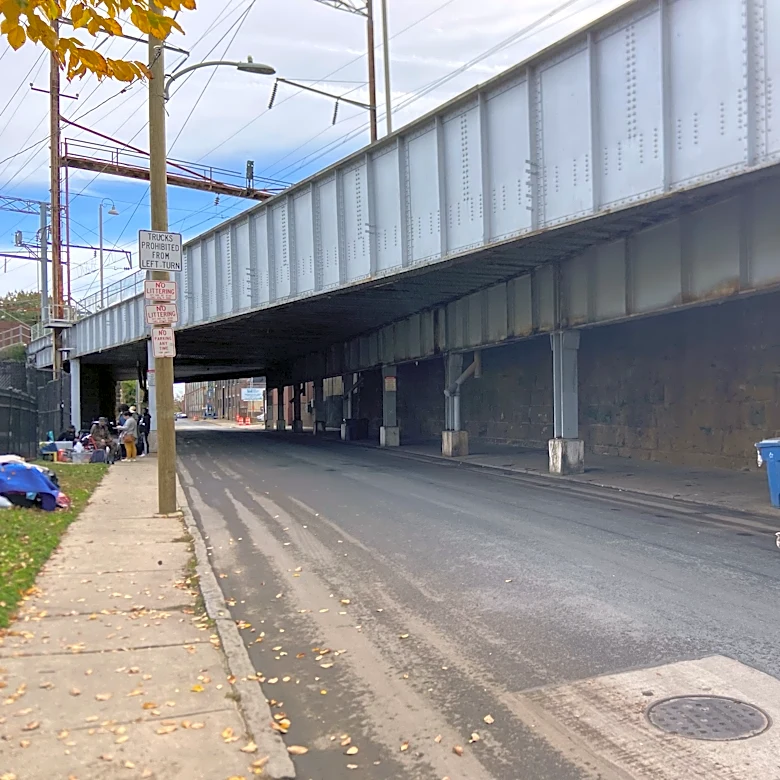
over state and local actions concerning rail carriers. The ICCTA grants exclusive federal jurisdiction to the STB over transportation by rail carriers. The new policy introduces a modified analytical framework for determining when shipper and receiver activities are considered 'transportation by rail carrier.' This framework involves a two-part test: first, whether the facility or project is used for common carrier rail service interchange, and second, whether state or local action restricts or dictates that common carrier service. If both conditions are met, the action may regulate transportation by rail carrier. For complete takings, the STB will apply a categorical preemption analysis to state and local claims seeking exclusive possession of validly held railroad right-of-way or property used for rail transportation. This means rail carriers will no longer need to prove that a proposed taking unreasonably interferes with rail transportation, as only Board-certified abandonment can remove land from STB jurisdiction.
Why It's Important?
This clarification from the STB is significant for the U.S. rail industry and state and local governments. By strengthening the protection afforded by federal preemption, the STB aims to reduce disputes and provide a clearer legal landscape for rail operations. For rail carriers, the categorical preemption analysis for complete takings offers enhanced security for their right-of-way and property, potentially streamlining infrastructure projects and reducing legal challenges from state and local entities. This could lead to more efficient rail transportation and investment in the sector. Conversely, state and local governments may find their ability to acquire or regulate railroad land more restricted, potentially impacting local development plans or eminent domain proceedings. The refined definition of 'transportation by rail carrier' will also influence how state and local actions affecting rail customers are evaluated, potentially limiting local regulations on facilities that interchange traffic with rail carriers. This policy aims to foster a more consistent and predictable regulatory environment for the rail industry across the nation.
What's Next?
The STB's Policy Statement is intended to serve as a useful tool in litigation and for stakeholders to educate state and local officials, potentially preventing future disputes. While the statement largely summarizes existing STB precedent, its refinements regarding complete takings and regulations affecting rail customers are expected to have immediate implications. Rail carriers will likely leverage this clarified framework to defend against state and local claims, potentially leading to fewer successful challenges to railroad property and operations. State and local governments will need to adapt their regulatory approaches to align with the STB's strengthened preemption stance, which may involve re-evaluating existing ordinances or proposed projects that could impact rail infrastructure or services. The effectiveness of the policy in achieving its goals of reducing confusion and proactively preventing disputes will become evident as it is applied in real-world scenarios and legal challenges.
Beyond the Headlines
The STB's Policy Statement underscores the ongoing tension between federal authority and state/local control, particularly in critical infrastructure sectors like rail transportation. The emphasis on exclusive federal jurisdiction reflects a broader policy objective to ensure the seamless operation of interstate commerce, which rail lines are integral to. This move could be seen as prioritizing national transportation efficiency over localized land use and regulatory autonomy. Ethically, it raises questions about the balance of power and the extent to which local communities can influence infrastructure development within their borders. Legally, it reinforces the supremacy of federal law in areas where Congress has explicitly granted exclusive jurisdiction. Culturally, it highlights the importance of rail as a foundational element of the U.S. economy, necessitating a unified regulatory approach to prevent fragmentation and ensure operational continuity. The long-term shift could be towards even greater federal oversight in areas deemed vital for national economic interests.