






What's Happening?
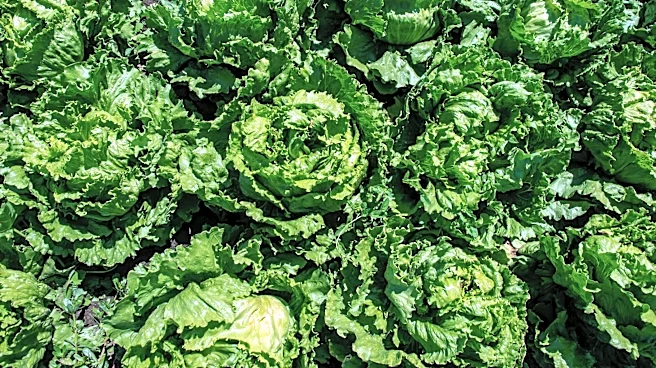
The U.S. Centers for Disease Control and Prevention (CDC) and the Food and Drug Administration (FDA) are investigating a significant outbreak of Cyclospora cayetanensis, a parasitic infection affecting the digestive system. The outbreak has been traced
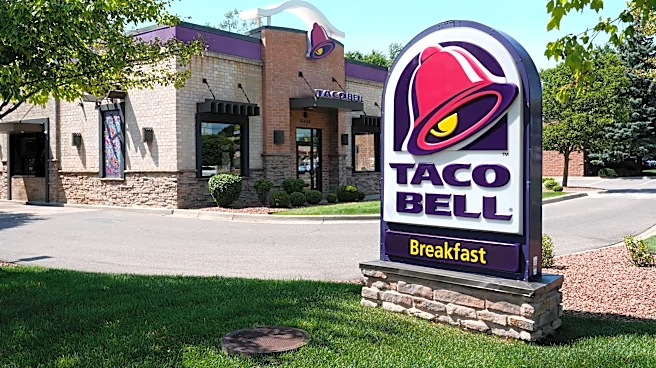
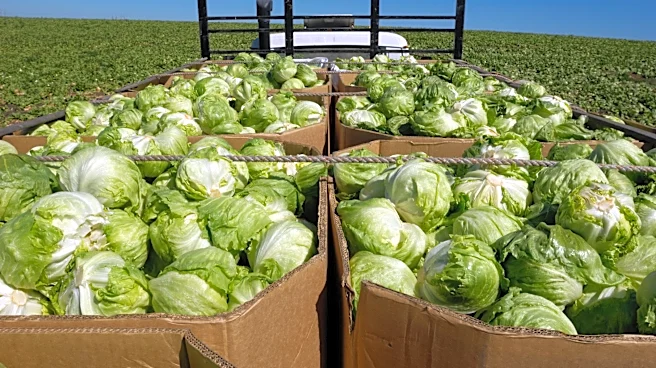
to chopped iceberg lettuce grown in Mexico and supplied to Taco Bell locations across five U.S. states. As of the latest data, 1,644 people have been infected, with 94 requiring hospitalization. The outbreak is part of a larger wave, with over 6,700 confirmed or suspected cases reported nationwide this year, marking a record high compared to previous years. The parasite is transmitted through food or water contaminated with feces, causing symptoms such as watery diarrhea, abdominal pain, nausea, fatigue, and weight loss.
Why It's Important?
This outbreak highlights the vulnerabilities in the food supply chain, particularly concerning imported produce. The widespread impact on public health underscores the need for stringent safety measures and monitoring of agricultural practices. The outbreak has prompted Taco Bell to cease using lettuce from the implicated supplier, and Taylor Farms has removed all iceberg lettuce from central Mexico from the U.S. market. The situation raises concerns about food safety and the importance of proper handling and hygiene practices for leafy greens, which are a staple in many diets. The economic implications are significant, affecting both the restaurant industry and agricultural suppliers.
What's Next?
The FDA and CDC are likely to continue their investigation to pinpoint the exact source and prevent further cases. There may be increased scrutiny and regulation of imported produce, particularly from regions with known contamination risks. Restaurants and suppliers might face stricter guidelines to ensure food safety. Public health campaigns could be initiated to educate consumers on proper washing and storage of leafy greens to minimize infection risks.
Beyond the Headlines
The outbreak may lead to a reevaluation of agricultural practices, especially concerning the use of reclaimed water for irrigation and the handling of produce during processing. It also highlights the need for improved international cooperation in food safety standards. The incident could prompt discussions on the balance between food importation and domestic production, considering the risks associated with global supply chains.