









What's Happening?
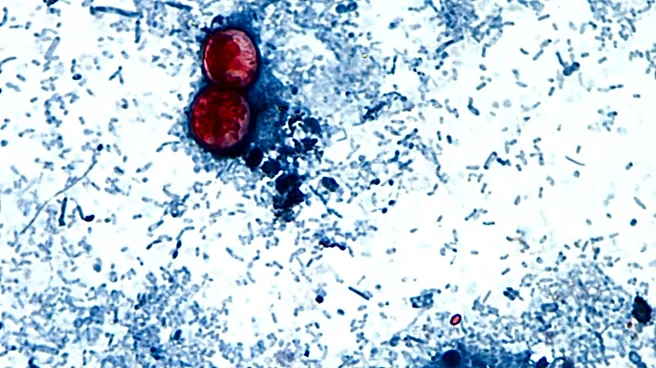
Massachusetts is among over a dozen states reporting cases of cyclospora, a parasite causing prolonged diarrhea and other gastrointestinal symptoms. The outbreak, which began in May, has been particularly severe in Michigan, with over 900 cases. Cyclospora
is spread through contaminated food or water and is challenging to detect and treat compared to bacterial infections. Health officials are investigating potential foodborne sources, including onions and cilantro, but no definitive link has been established. The parasite's symptoms can last for weeks, affecting vulnerable populations more severely.
Why It's Important?
The cyclospora outbreak highlights the complexities of food safety and the challenges in tracing and controlling parasitic infections. The spread across multiple states indicates potential widespread contamination in the food supply chain, raising concerns about agricultural practices and food handling. The outbreak's impact is significant, as it affects public health, disrupts daily life, and places a burden on healthcare systems. The situation underscores the need for improved diagnostic tools and preventive measures to protect consumers and ensure food safety.
What's Next?
Health authorities, including the CDC and FDA, will continue to investigate the outbreak's source, focusing on agricultural products like onions and cilantro. Enhanced testing and monitoring efforts are expected to identify contamination points and prevent further spread. Public health advisories will likely emphasize the importance of proper food handling and hygiene practices. The outbreak may prompt regulatory reviews and potential changes in food safety standards to prevent future incidents. Consumers are advised to remain vigilant and follow health guidelines to reduce infection risk.