



What's Happening?
A network of home batteries across thousands of ordinary homes in Vermont is emerging as a new type of power plant, providing electricity during outages and supplying cleaner energy to the wider grid. This initiative, spearheaded by Green Mountain Power
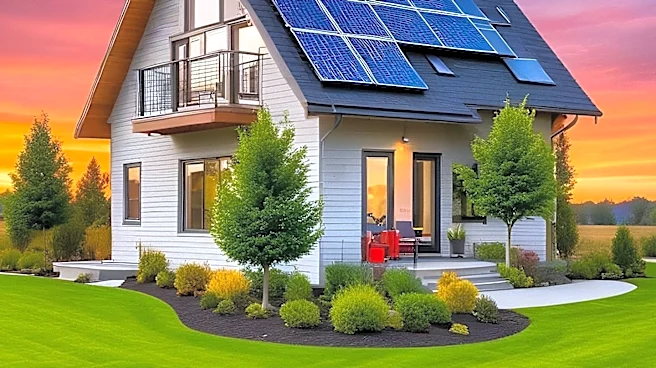
(GMP), involves installing two home batteries for a monthly fee, offering an alternative to traditional gas generators. Over 5,500 Vermonters now participate in this scheme, with their combined home battery systems forming a 'virtual power plant' (VPP). This VPP not only ensures homes remain powered during extreme weather events, which have become more frequent in Vermont, but also contributes electricity to the broader grid. The U.S. currently boasts over 40 GW of virtual power capacity, with the Department of Energy projecting this could reach up to 160 GW by 2030, potentially meeting a fifth of expected peak demand. GMP's network has become the state's largest power source, providing approximately 110 MW of power, comparable to a small-to-medium-sized natural gas plant.
Why It's Important?
The rise of virtual power plants in Vermont signifies a significant shift in how energy grids can be managed and made more resilient, particularly in the face of increasing extreme weather events. This model offers a decentralized approach to power generation and storage, reducing reliance on large, centralized power plants and enhancing energy security for individual households. For consumers, it translates to fewer power outages and potentially lower energy costs, with GMP reporting $11 million in savings last year for its customers. The Department of Energy estimates that such systems could save the U.S. over $10 billion annually by 2030. This initiative also promotes the adoption of cleaner energy sources by integrating with home solar panels and potentially electric vehicles, contributing to national decarbonization goals. The success in Vermont could serve as a blueprint for other states and regions looking to modernize their energy infrastructure and improve grid stability.
What's Next?
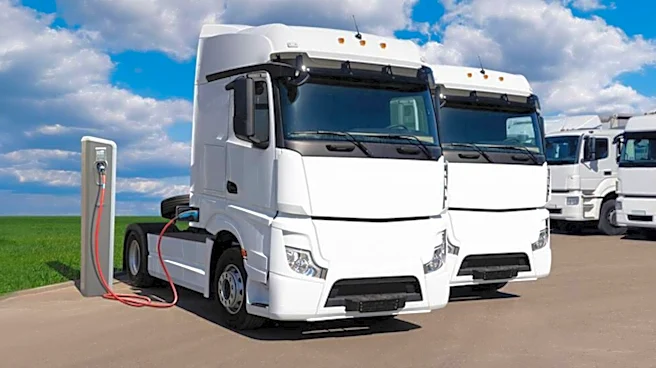
Green Mountain Power plans to expand its virtual power plant significantly, aiming to offer energy storage to all of its nearly 300,000 customers who desire it and more than double the VPP's size by 2034. The utility also intends to integrate Vermont's growing fleet of electric vehicles into this system, utilizing 'vehicle-to-grid' technology to feed power from EV batteries back into the grid. This expansion will further enhance grid resilience and potentially unlock additional cost savings for consumers. Officials are exploring the full potential of this hidden resource, with the goal of eliminating power outages in the state by 2030, alongside other measures like burying power lines. The continued development and adoption of virtual power plants across the U.S. are expected, as the Department of Energy actively supports these projects to meet future energy demands and improve grid efficiency.
Beyond the Headlines
The emergence of virtual power plants like Vermont's highlights a broader paradigm shift in energy infrastructure, moving towards a more distributed, intelligent, and consumer-centric model. This approach not only addresses immediate concerns like power outages and energy costs but also fosters greater energy independence and community resilience. Ethically, it empowers individual homeowners to become active participants in the energy ecosystem, rather than passive consumers. Legally and culturally, it may necessitate new regulatory frameworks and public awareness campaigns to facilitate widespread adoption and ensure equitable access to these technologies. The integration of electric vehicles into this system also points to a future where transportation and energy sectors are increasingly intertwined, creating a more holistic and sustainable energy landscape. This model could fundamentally alter the relationship between utilities and consumers, fostering a collaborative approach to energy management.