





What's Happening?
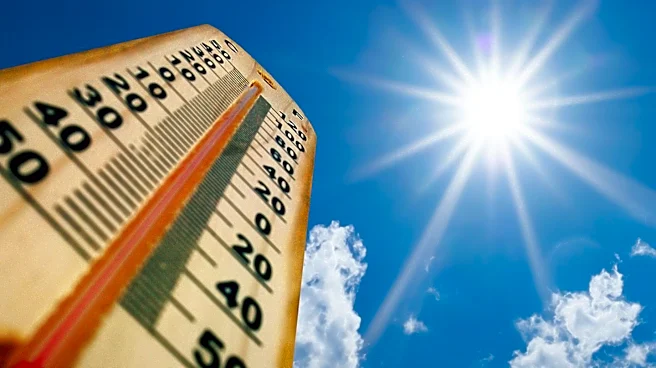
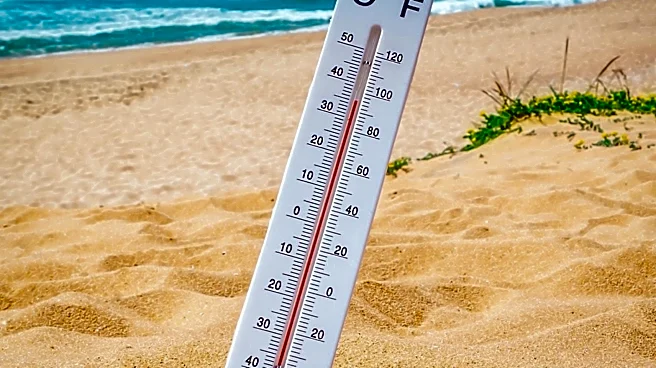
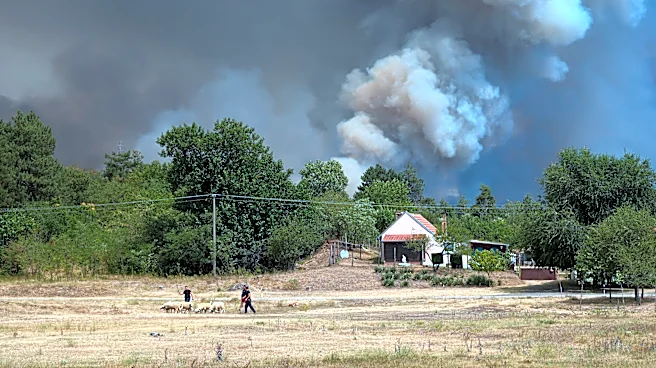
Western Europe has set a new temperature record for the June-July period, surpassing previous highs due to ongoing heat waves. The European climate agency Copernicus reported that the extreme heat, which began in May, has led to significant wildfires,
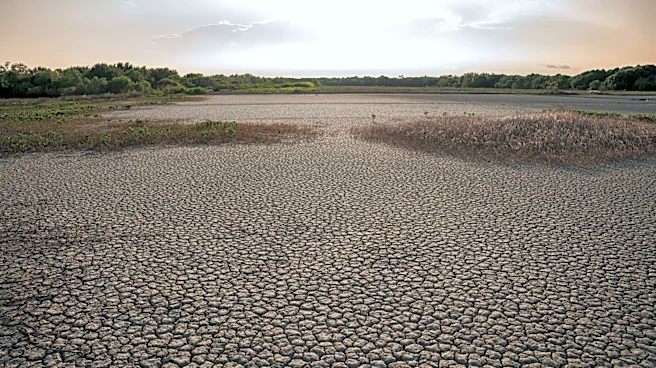
droughts, and new national temperature records. The region's average temperature reached 21.62°C (70.92°F), driven by persistent high-pressure systems and exacerbated by a developing El Niño. This year is on track to potentially become the hottest on record globally, with climate change and El Niño conditions contributing to the rising temperatures.
Why It's Important?
The record-breaking temperatures in Western Europe underscore the growing impact of climate change on global weather patterns. The heat waves have not only caused environmental damage but also pose significant health risks, with thousands of heat-related deaths projected. This situation highlights the urgent need for international cooperation and policy action to address climate change and mitigate its effects. The economic implications are also significant, as prolonged heat and drought can disrupt agriculture, water supply, and energy production, affecting millions of people and industries.
What's Next?
As temperatures continue to rise, governments and organizations may need to implement more robust climate adaptation and mitigation strategies. This could include investing in renewable energy, improving infrastructure to withstand extreme weather, and enhancing public health systems to cope with heat-related illnesses. The international community may also face increased pressure to meet climate targets and reduce greenhouse gas emissions to prevent further temperature increases.