



What's Happening?
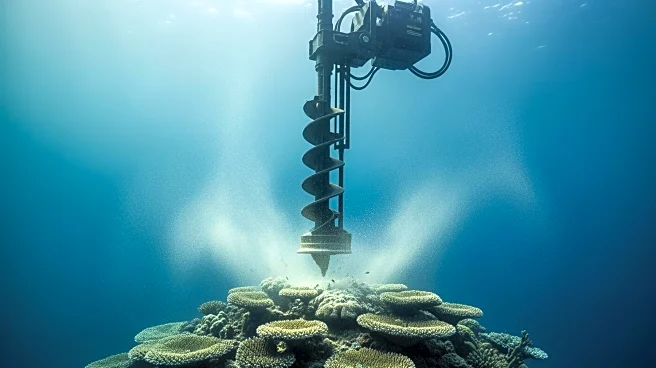
A coalition of issue-focused groups, companies, and national governments is advocating for a pause on deep-sea mining activities due to environmental concerns. This movement is gaining traction as some insurers have opted not to cover deep-sea mining projects.
The call for a moratorium comes amid increasing global competition for seabed resources, which are crucial for the transition to clean energy. Notably, Norway has paused deep-sea mining licenses until 2029, and companies like BMW, Volvo, and Google have pledged not to purchase metals from deep-sea mines until the environmental risks are better understood. The International Seabed Authority, established under the United Nations Convention on the Law of the Sea, has struggled to create binding rules for seabed mining, with the U.S. not ratifying the convention and the Trump administration seeking to expedite its own permits.
Why It's Important?
The push for a pause on deep-sea mining highlights the tension between economic interests and environmental protection. The extraction of critical minerals from the seabed is seen as essential for the production of technologies like smartphones and batteries, which are pivotal for the clean energy transition. However, the environmental impact of such activities is not fully understood, raising concerns about potential harm to ocean ecosystems. The outcome of this debate could significantly influence global supply chains and the pace of technological advancement. Additionally, the geopolitical implications are substantial, as many of these resources lie in international waters, potentially leading to conflicts over access and control.
What's Next?
The future of deep-sea mining will likely depend on the development of international regulations and the ability of countries to cooperate on environmental standards. The International Seabed Authority's efforts to establish binding rules will be crucial, as will the actions of major corporations and insurers in shaping industry practices. The ongoing dialogue between governments, companies, and environmental groups will be key in determining whether a sustainable approach to seabed resource extraction can be achieved.
Beyond the Headlines
The debate over deep-sea mining also raises broader questions about the governance of international waters and the role of non-state actors in shaping global environmental policy. The involvement of companies and insurers in advocating for environmental standards reflects a shift towards more inclusive and multi-stakeholder approaches to global governance. This development could set a precedent for how other global environmental challenges are addressed in the future.