







What's Happening?
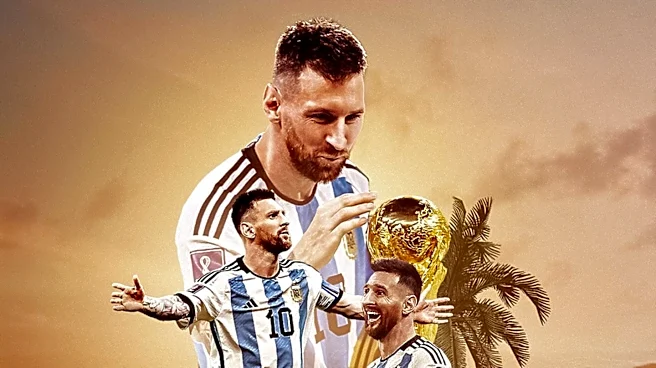
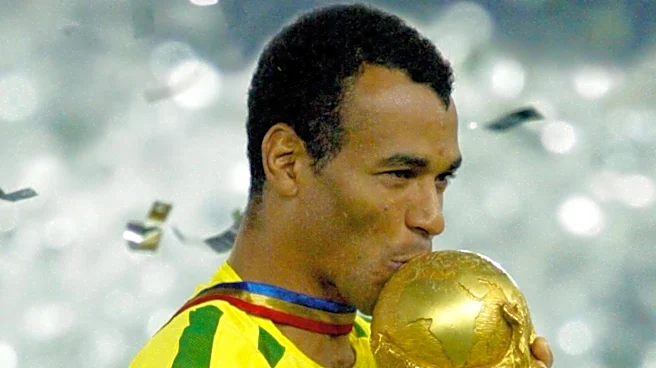
In Brazil, football is a central cultural element, deeply ingrained in the daily lives of its people. The World Cup is a national event that affects work schedules and public services, with Brazilians gathering to watch matches and celebrate their team's
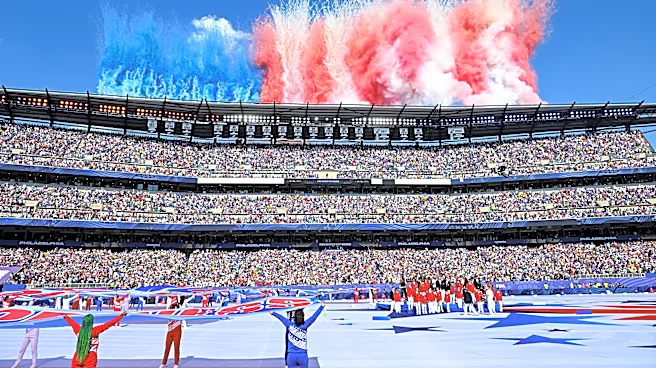
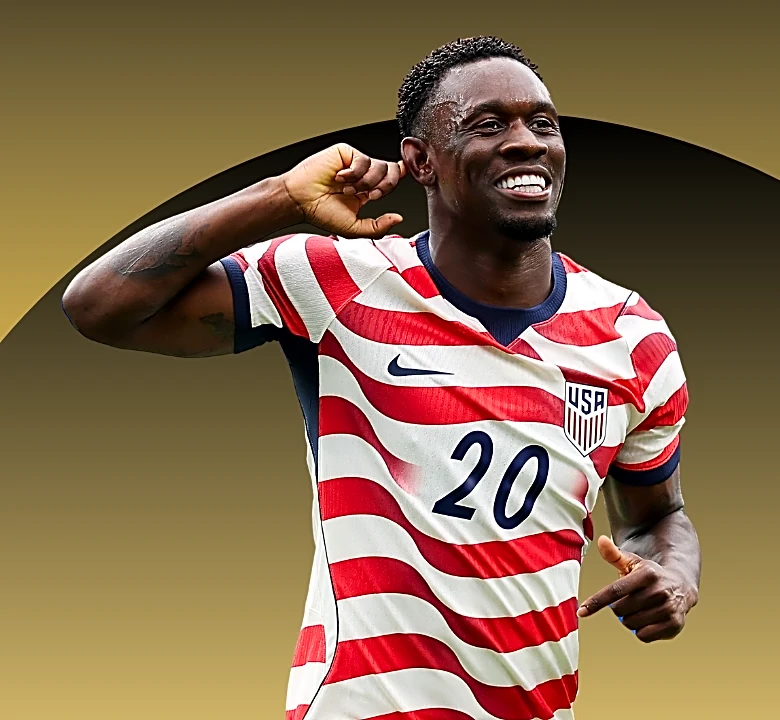
progress. In contrast, in the United States, football does not hold the same cultural significance, competing with other popular sports like NFL, baseball, and basketball. The World Cup atmosphere in the U.S. is more localized to stadiums and fan festivals, reflecting the sport's limited traction in American culture.
Why It's Important?
The cultural differences in how football is perceived in Brazil versus the United States highlight broader societal values and priorities. In Brazil, football serves as a unifying force and a source of national pride, while in the U.S., it remains a niche interest. This contrast underscores the varying roles sports play in different cultures and the potential for sports to influence national identity and cohesion. Understanding these differences can inform how sports are marketed and supported in diverse cultural contexts.