
What's Happening?
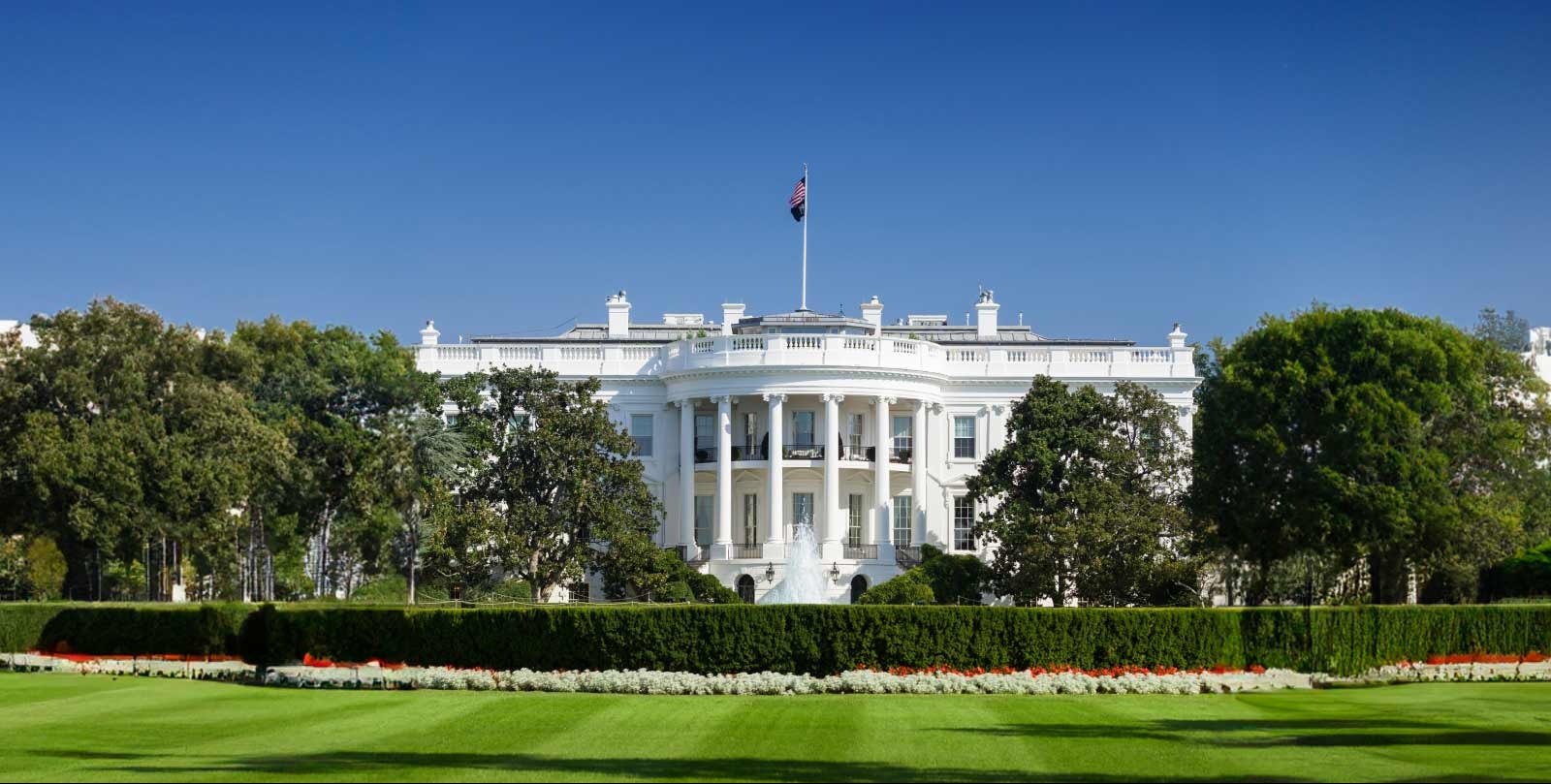
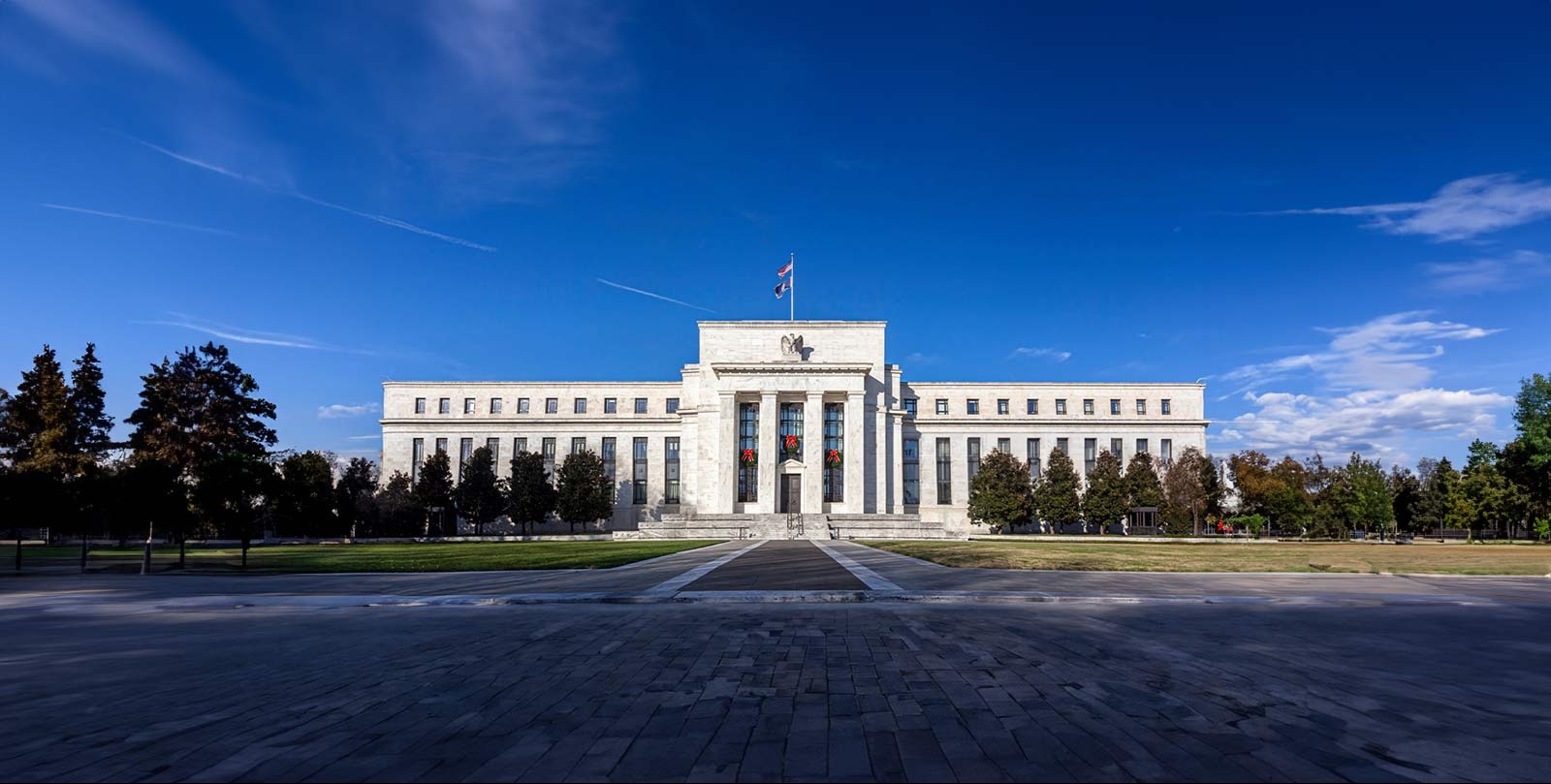
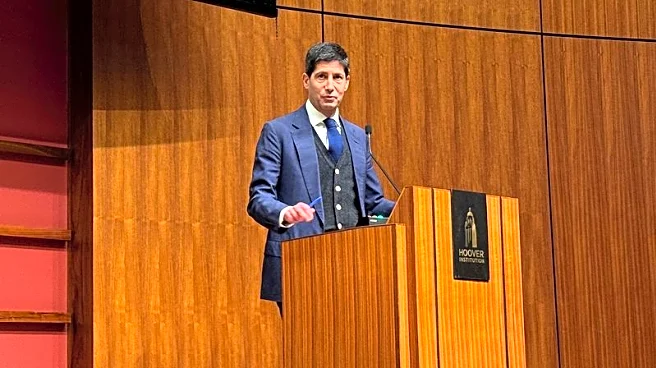
Federal Reserve Chairman Jerome Powell is set to attend a Supreme Court hearing concerning President Trump's attempt to dismiss Fed Governor Lisa Cook. This case questions the extent of presidential power
over the Federal Reserve's governance. Powell's attendance is notable, as it underscores the potential implications of the case for the Federal Reserve's independence. The hearing comes amid Powell's own legal challenges, as he is under investigation by the U.S. Attorney's Office in Washington, D.C., related to a renovation project and his congressional testimony. Powell has publicly stated that the investigation is a pretext for the Fed's refusal to lower interest rates as demanded by President Trump.
Why It's Important?
The case could have significant implications for the Federal Reserve's autonomy and the broader U.S. financial system. If the Supreme Court rules in favor of President Trump, it could set a precedent for increased presidential influence over the Federal Reserve, potentially affecting monetary policy decisions. This could lead to shifts in how interest rates are set, impacting inflation, employment, and economic growth. The outcome may also influence the balance of power between the executive branch and independent federal agencies, affecting governance and policy-making across various sectors.
What's Next?
The Supreme Court's decision will be closely watched by financial markets, policymakers, and legal experts. A ruling in favor of President Trump could prompt legislative efforts to clarify or limit presidential powers over independent agencies. Conversely, a decision supporting the Fed's independence might reinforce the current governance structure. Stakeholders, including Congress and financial institutions, may respond with policy proposals or advocacy efforts to address the implications of the ruling.