





What's Happening?
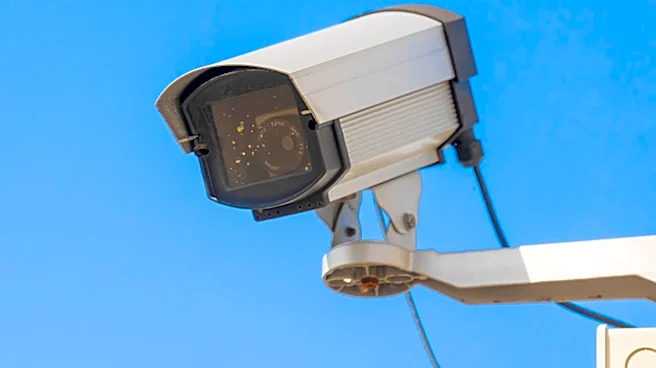
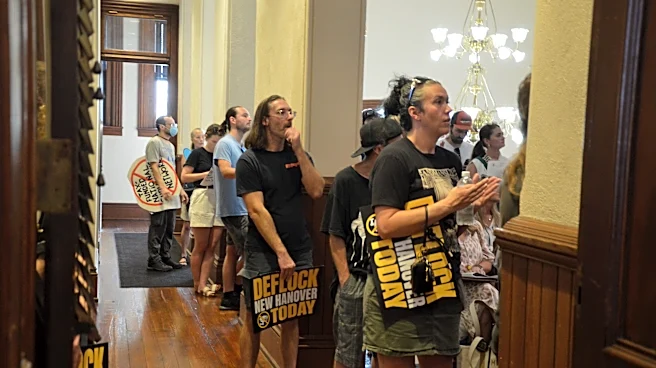
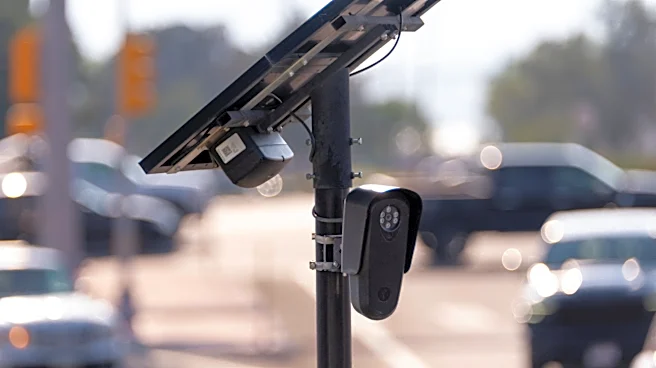
Asheville Mayor Esther Manheimer has announced her intention to call for a vote at the next City Council meeting to terminate the city's contract with Flock Safety. This decision comes in response to significant public concern regarding the company's
license plate readers and broader surveillance practices. Mayor Manheimer stated that a moratorium on the technology would be insufficient, as the contract does not permit camera removal without full termination. She also emphasized the need for a transparent policy on the handling and deletion of data collected by Flock cameras. This move follows a May 2026 resolution by the Asheville City Council to reaffirm civil liberties in data collection, which, according to Manheimer, was not adequately addressed by continued reporting on Flock's data control.
Why It's Important?
This development is important as it reflects a growing national debate over privacy rights versus public safety in the context of surveillance technology. Asheville's decision to potentially terminate its contract with Flock Safety could influence other municipalities grappling with similar concerns about license plate readers and data collection. The backlash highlights a critical tension between residents' desire for security and their apprehension about potential government overreach and misuse of personal data. The outcome of this vote will set a precedent for how Asheville balances these competing interests and could impact the future adoption and regulation of surveillance technologies across the U.S. It also underscores the power of public opinion in shaping local government policy on sensitive issues.
What's Next?
The Asheville City Council is scheduled to vote on the termination of the Flock Safety contract at its meeting on Tuesday, August 25. If the contract is terminated, Interim Police Chief Jackie Stepp will be tasked with developing a transparent policy for handling and deleting data previously collected by the Flock cameras. This situation also unfolds ahead of the general election for Asheville mayor in November, where Mayor Manheimer will face Kim Roney, a known critic of Flock cameras. The outcome of the vote and the subsequent actions regarding data management will be closely watched by both residents and civil liberties advocates, potentially influencing the broader political landscape in Asheville and beyond.
Beyond the Headlines
The controversy surrounding Flock Safety cameras in Asheville delves into deeper ethical and legal implications concerning data privacy and the scope of government surveillance. Incidents outside Asheville, where Flock data was allegedly shared with Immigration and Customs Enforcement (ICE) without explicit permission, and cases of law enforcement officers misusing license plate readers, underscore the potential for abuse and the need for robust oversight. The debate also touches upon the broader trend of increasing surveillance technology in urban environments and the challenges of ensuring accountability and protecting civil liberties. Asheville's response could serve as a case study for how cities navigate the complex intersection of technology, public safety, and individual rights in an increasingly data-driven world.