

What's Happening?
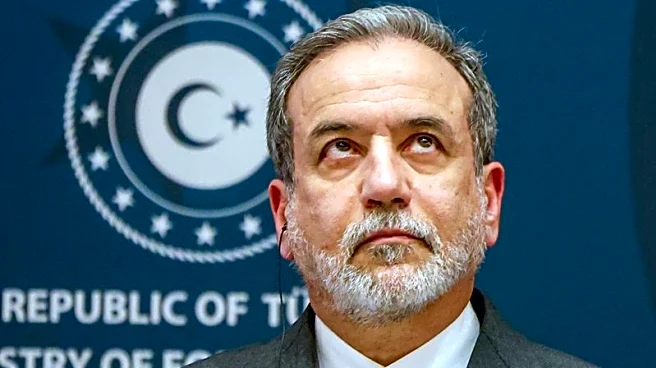
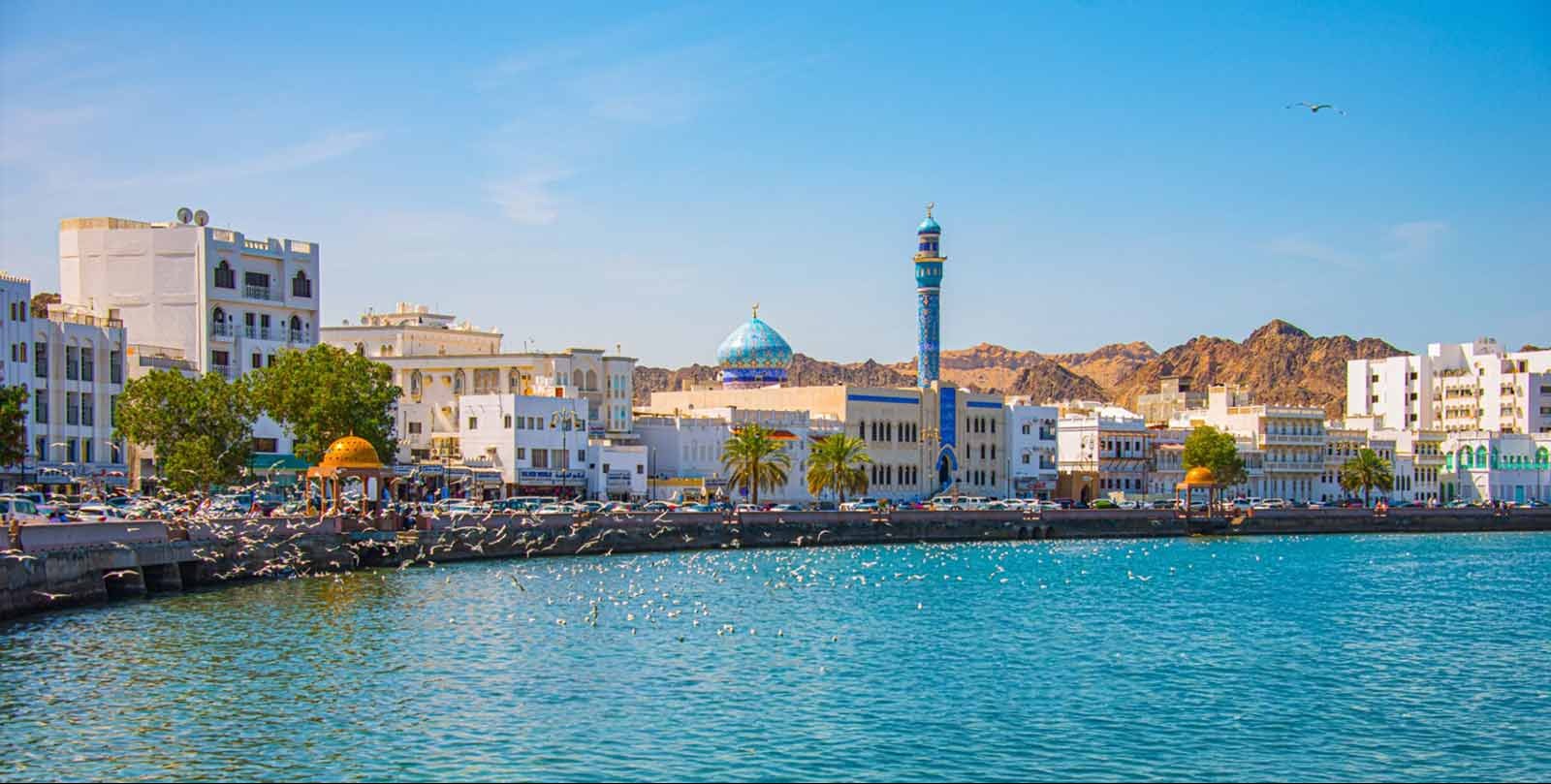
Iranian Chief of Staff Abdolrahim Mousavi issued a stern warning following the conclusion of nuclear talks between Iran and the United States in Oman. Mousavi stated that any military action against Iran would result in a 'heavy and irreversible price'
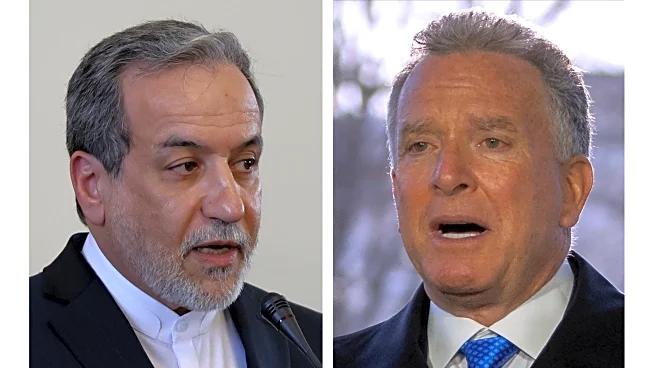
for its enemies, emphasizing Iran's readiness to respond to aggression. This statement comes as U.S. envoys Steve Witkoff and Jared Kushner visited the aircraft carrier USS Abraham Lincoln, part of a significant American military presence in the region. The talks, mediated by Oman, did not result in a concrete agreement, with Iran maintaining its stance on uranium enrichment and missile development as non-negotiable. Meanwhile, thousands demonstrated in Berlin in support of Iranian protests, calling for regime change and free elections.
Why It's Important?
The ongoing tensions between the U.S. and Iran have significant implications for regional stability and international relations. The U.S. military buildup signals a potential escalation, which could impact global oil markets and security dynamics in the Middle East. Iran's firm stance on its nuclear program and missile capabilities highlights the challenges in reaching a diplomatic resolution. The demonstrations in Berlin and other cities reflect widespread international support for Iranian protesters, potentially influencing public opinion and policy decisions in Western countries. The outcome of these negotiations could affect U.S. foreign policy and its approach to nuclear non-proliferation.
What's Next?
Further negotiations between the U.S. and Iran are anticipated, although no specific date or location has been set. The U.S. aims to prevent Iran from developing nuclear weapons, while Iran seeks recognition of its rights and security concerns. The international community will closely monitor these talks, as their outcome could influence future diplomatic and military strategies. Potential reactions from regional allies and adversaries, as well as domestic political pressures in both countries, will play a crucial role in shaping the next steps.
Beyond the Headlines
The situation underscores the complex interplay between military power, diplomacy, and public opinion in international relations. The U.S.'s approach to Iran could set a precedent for handling similar issues with other countries. Additionally, the protests in support of Iranian demonstrators highlight the global resonance of domestic struggles for democracy and human rights, potentially affecting international alliances and policy priorities.