



What's Happening?
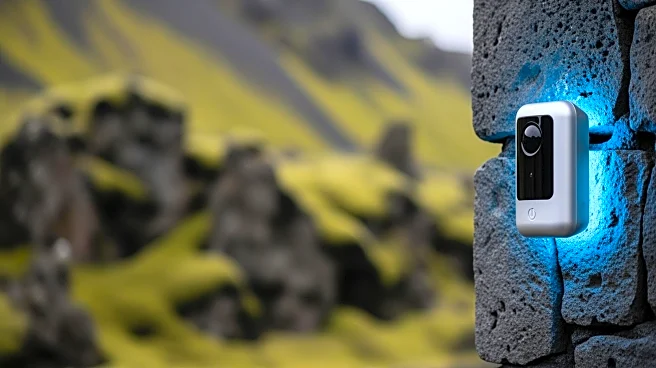
The Icelandic Tourist Board is undertaking a project to replace visitor-counting equipment at approximately 40 of the country's most popular tourist destinations. This initiative aims to improve the accuracy of visitor monitoring and aid in the planning
and management of these sites. The new camera-based counters are set to be installed at key locations such as the Geysir geothermal area and Gullfoss waterfall, both of which attracted around 1.5 million visitors last year. Other sites like Þingvellir National Park, Fjaðrárgljúfur canyon, and Reynisfjara beach also recorded significant visitor numbers. Arnar Már Ólafsson, Director of Tourism, emphasized the importance of the data collected from these counters in making informed decisions about site development, organization, and service improvements, as well as protecting these natural attractions from overuse.
Why It's Important?
This development is crucial for Iceland's tourism industry, which relies heavily on its natural attractions. Accurate visitor data will enable better management of these sites, ensuring they can accommodate large numbers of tourists without compromising their integrity or visitor experience. The initiative reflects a proactive approach to sustainable tourism, balancing the economic benefits of high visitor numbers with the need to preserve Iceland's unique landscapes. This could serve as a model for other countries facing similar challenges in managing popular tourist destinations.
What's Next?
The implementation of the new counting systems is expected to provide real-time data on visitor numbers, allowing for dynamic management of tourist sites. This could lead to adjustments in infrastructure, such as improved pathways or facilities, to better handle visitor flow. Additionally, the data may inform future tourism policies and strategies, potentially influencing marketing efforts and visitor distribution across less-visited areas to alleviate pressure on popular sites.
Beyond the Headlines
The introduction of advanced visitor monitoring systems highlights the growing importance of technology in tourism management. It raises questions about privacy and data usage, as well as the potential for such systems to be used in other sectors. Moreover, this initiative underscores the need for ongoing investment in infrastructure to support sustainable tourism, which is increasingly becoming a priority for countries with significant natural attractions.