






What's Happening?
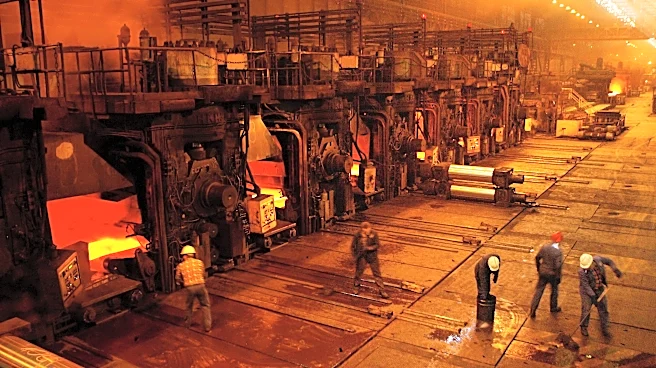
Magnitude 7 Metals has announced plans to restart its aluminum smelter near New Madrid, Missouri, by the end of the year. The facility, previously operated by Noranda, has been idle, and its reopening is expected to bring back union jobs to the area.
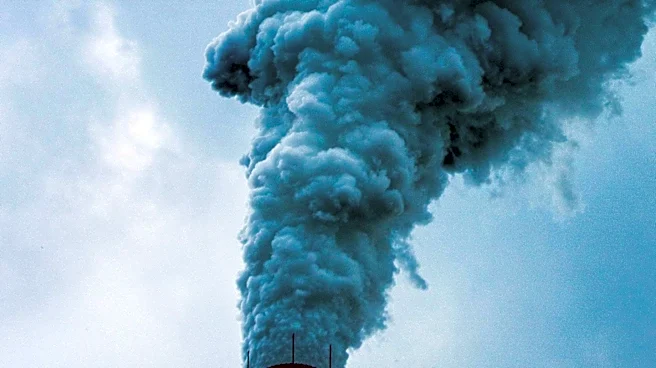
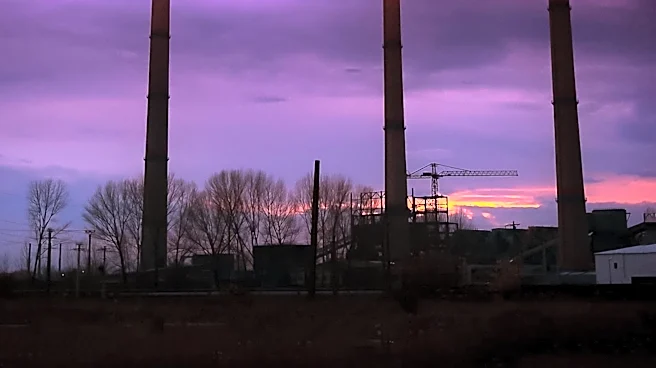
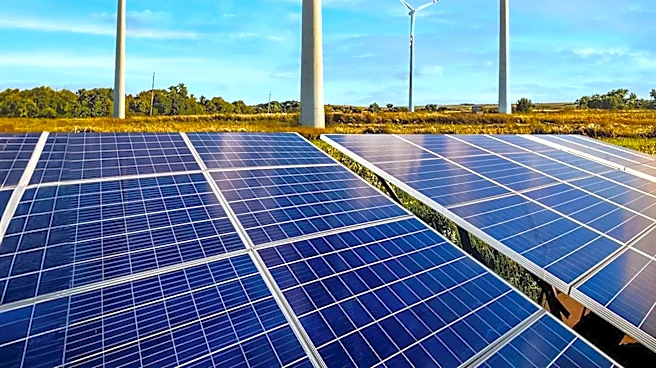
However, the announcement did not specify how the smelter will be powered or if it will comply with the Missouri Department of Natural Resources' requirements to reduce sulfur dioxide emissions. New Madrid County has previously recorded the worst air quality in the United States, according to 2019 EPA data. The cost of electricity, particularly from coal, has been a significant barrier to domestic aluminum production, but renewable energy sources like solar and energy storage are being considered as more sustainable and cost-effective alternatives.
Why It's Important?
The reopening of the smelter is significant for the local economy, promising to restore jobs and stimulate economic activity in New Madrid County. However, the environmental implications are a major concern. The area has struggled with air quality issues, and the smelter's operation could exacerbate these problems if not powered by clean energy. The Sierra Club, an environmental organization, has expressed support for the job creation but emphasizes the need for the smelter to use renewable energy to ensure long-term viability and environmental compliance. This situation highlights the broader challenge of balancing industrial growth with environmental sustainability, a critical issue as industries seek to modernize and reduce their carbon footprints.
What's Next?
The next steps involve determining the energy source for the smelter's operations. If the company opts for renewable energy, it could set a precedent for other energy-intensive industries in the region. Stakeholders, including environmental groups and local government, will likely engage in discussions to ensure that the smelter's operations align with environmental standards. The outcome could influence future industrial projects in Missouri and beyond, particularly in areas with similar environmental challenges.
Beyond the Headlines
The decision on how to power the smelter could have long-term implications for the region's environmental policies and economic strategies. A shift towards renewable energy could not only improve air quality but also attract further investment in clean technologies. This development could serve as a model for other regions facing similar industrial and environmental challenges, potentially influencing national policies on industrial emissions and renewable energy adoption.