









What's Happening?
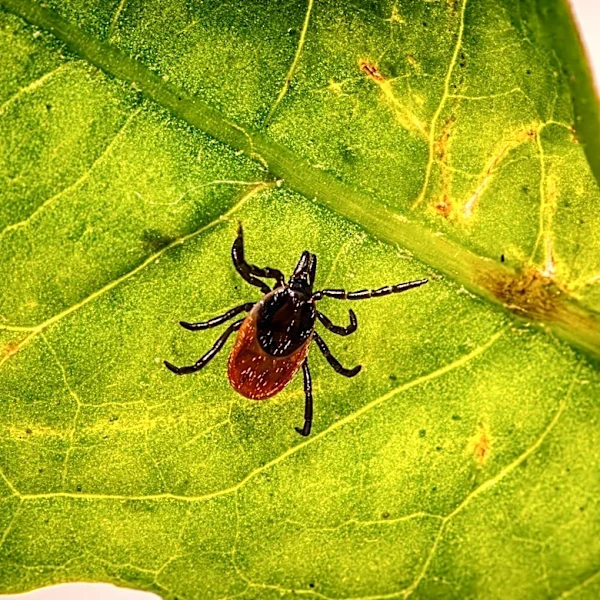
Health officials have reported a significant rise in tick bites, with data from the Centers for Disease Control and Prevention (CDC) indicating a 13% increase in emergency-related tick bites this year compared to the previous year. This surge has heightened
concerns about Lyme disease, a tick-borne illness that can cause severe health issues if not treated promptly. Dr. Celine Gounder, a health expert, has provided guidance on how individuals can protect themselves from tick bites, emphasizing the importance of preventive measures as the threat of Lyme disease becomes more pronounced.
Why It's Important?
The increase in tick bites and the associated risk of Lyme disease is a public health concern, particularly in regions where ticks are prevalent. Lyme disease can lead to long-term health complications, including neurological and cardiac issues, if not diagnosed and treated early. The rise in tick bites may be attributed to environmental factors such as climate change, which can expand the habitats of ticks. This development underscores the need for public awareness and preventive strategies to mitigate the risk of Lyme disease, which can have significant health and economic impacts on affected communities.
What's Next?
Health officials are likely to intensify public health campaigns to educate the public on tick bite prevention and the early signs of Lyme disease. This may include promoting the use of insect repellents, wearing protective clothing, and conducting regular tick checks after spending time outdoors. Additionally, there may be increased efforts to monitor tick populations and study the environmental factors contributing to their spread. These measures aim to reduce the incidence of Lyme disease and protect public health.