




What's Happening?
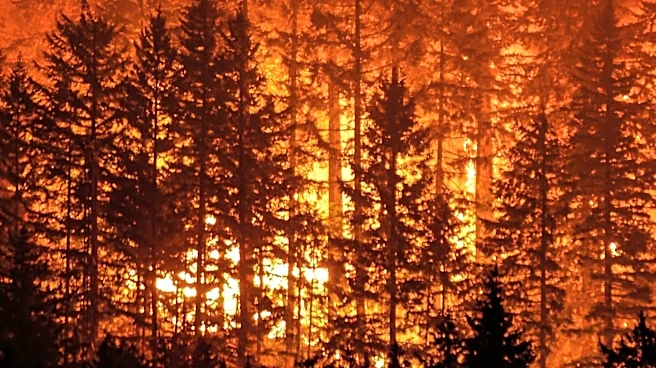
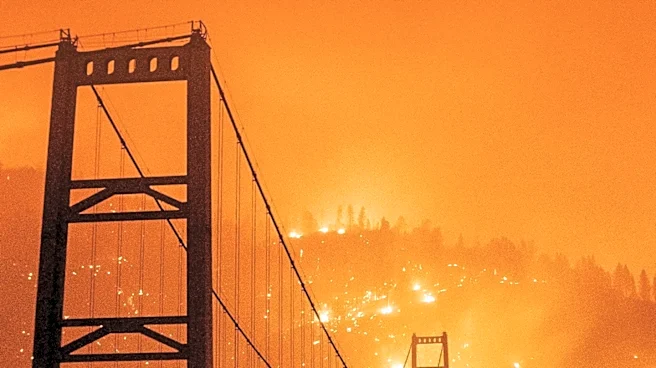
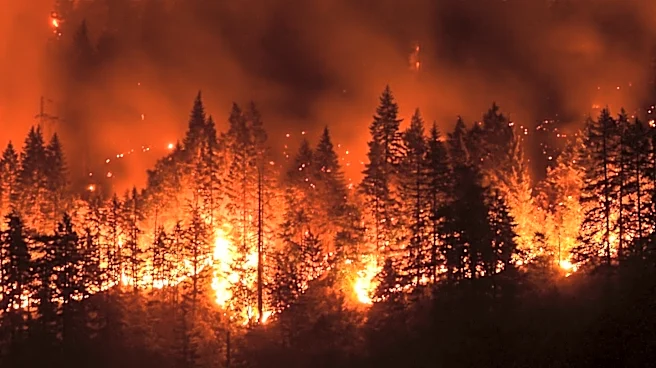
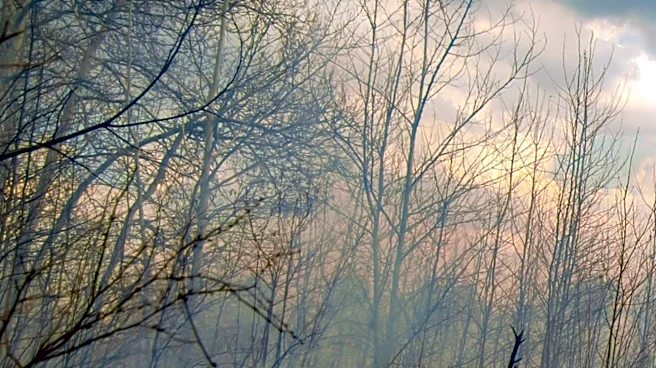
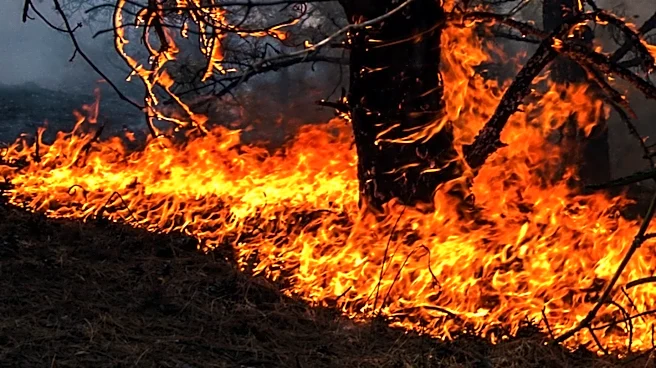
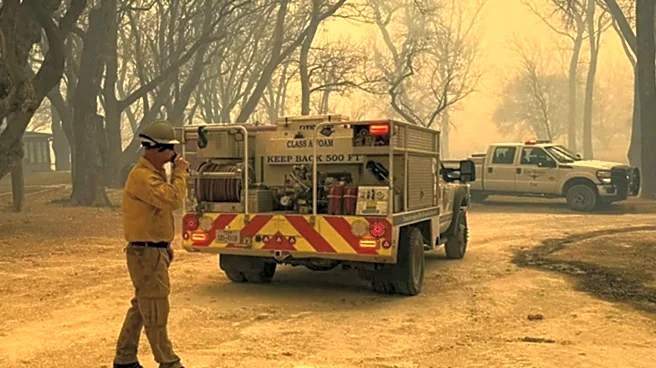
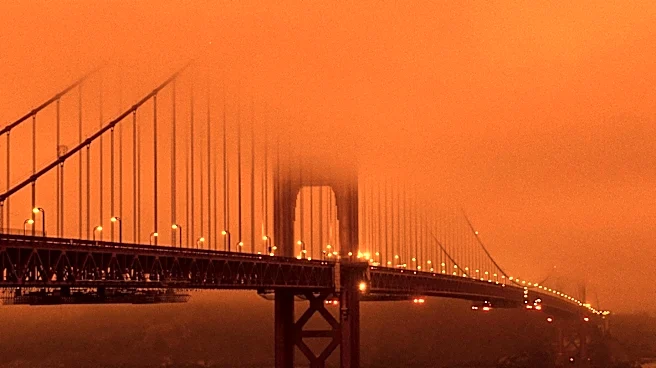
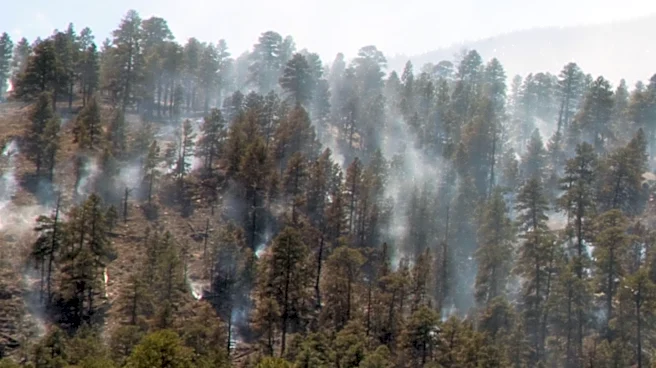
Wildfire smoke, containing fine particulates known as PM2.5, poses significant health risks as it spreads across regions affected by wildfires. These tiny particles can penetrate deep into the lungs and bloodstream, leading to inflammation, heart attacks,
strokes, asthma, and other health issues. A study by the Scripps Institution of Oceanography highlights that wildfire smoke is up to ten times more harmful than other pollution types, such as car exhaust. As wildfires rage in areas like Ontario, Canada, and northern Minnesota, the resulting smoke is affecting air quality in the U.S., prompting health advisories. People are advised to stay indoors when the air quality index (AQI) is high, particularly above 150, to minimize exposure to these harmful particles.
Why It's Important?
The health implications of wildfire smoke are profound, affecting millions of people in areas where air quality deteriorates due to fires. The presence of PM2.5 particles in the air can exacerbate existing health conditions and lead to new health issues, particularly for vulnerable populations such as those with respiratory illnesses. The economic impact is also significant, as healthcare systems may face increased demand for services related to smoke exposure. Additionally, the need for public health advisories and potential disruptions to daily life and outdoor activities highlight the broader societal impact. Understanding and mitigating these risks are crucial for public health and safety.
What's Next?
As wildfires continue to occur, monitoring air quality and issuing timely health advisories will be essential. Public health agencies may need to enhance communication strategies to ensure that communities are informed about protective measures. There may also be increased advocacy for policies aimed at reducing wildfire risks and improving air quality standards. In the long term, addressing the root causes of increased wildfire frequency, such as climate change, will be critical to reducing the occurrence and impact of such events.
Beyond the Headlines
The recurring issue of wildfire smoke highlights the intersection of environmental and public health challenges. It underscores the need for comprehensive strategies that address both immediate health risks and long-term environmental changes. The situation also raises ethical considerations about resource allocation for affected communities and the responsibility of governments to protect public health in the face of environmental crises.