


What's Happening?
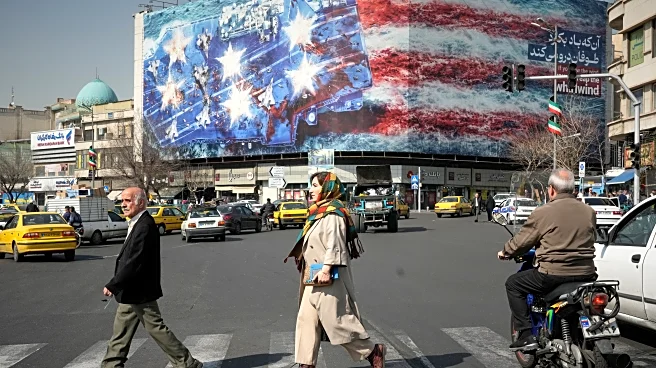
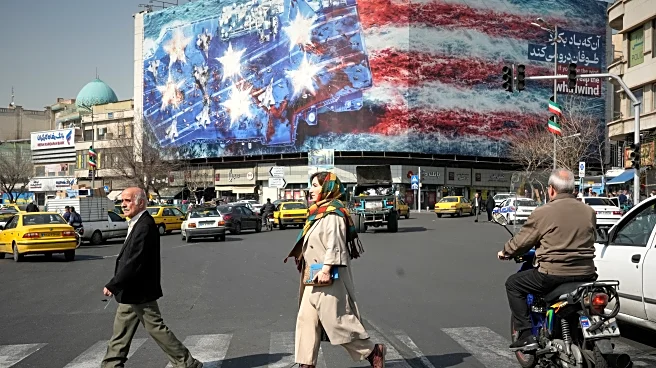
Iran and the United States are at odds over the conditions and methods for lifting sanctions on Tehran in exchange for limitations on its nuclear program. A senior Iranian official revealed that indirect talks are scheduled for early March, which could
potentially lead to an interim agreement. Iran is considering options such as exporting part of its highly enriched uranium stockpile and diluting its purity, but insists on its right to peaceful nuclear enrichment. The official also stated that while Iran will not relinquish control over its oil and mineral resources, U.S. companies may participate as contractors in Iran's oil and gas sectors.
Why It's Important?
The divergence in views between Iran and the U.S. on sanctions relief is significant as it affects international relations and regional stability. The outcome of these talks could influence global oil markets and geopolitical dynamics, particularly in the Middle East. For the U.S., reaching an agreement could mean a reduction in nuclear proliferation risks, while for Iran, it could lead to economic relief and increased foreign investment. The talks also have implications for U.S. foreign policy and its approach to nuclear non-proliferation.
What's Next?
The upcoming talks in March will be crucial in determining whether an interim agreement can be reached. Both countries will need to navigate complex diplomatic negotiations, balancing domestic and international pressures. The potential for an agreement could lead to shifts in alliances and economic strategies, particularly for countries involved in the region's energy markets. Observers will be watching closely to see how these negotiations unfold and what compromises, if any, are made.