

What's Happening?
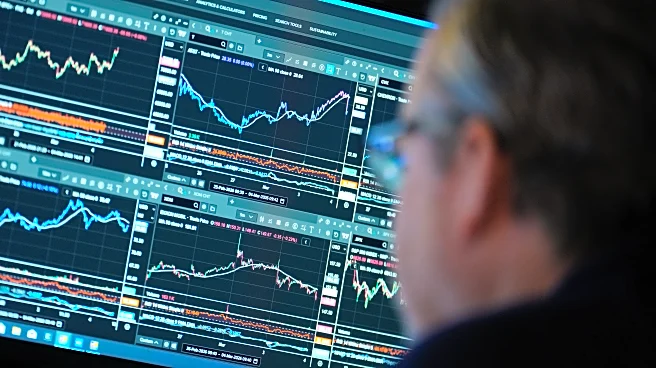
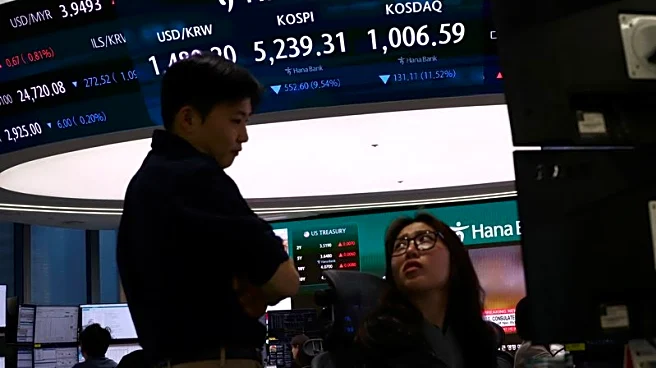
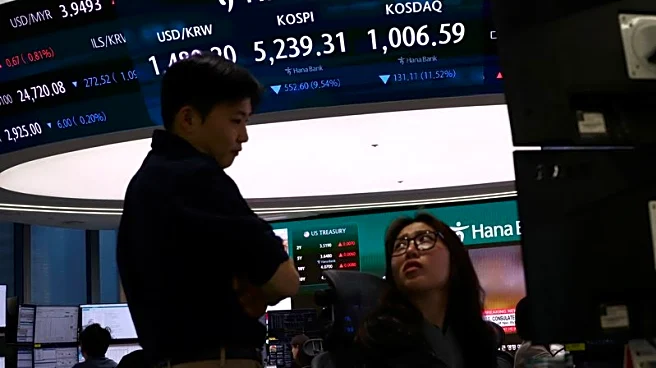
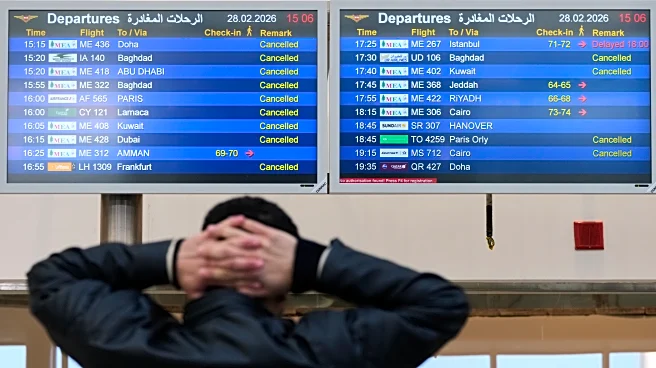
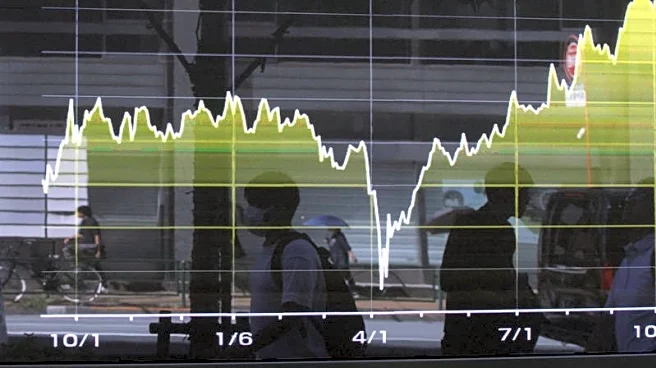
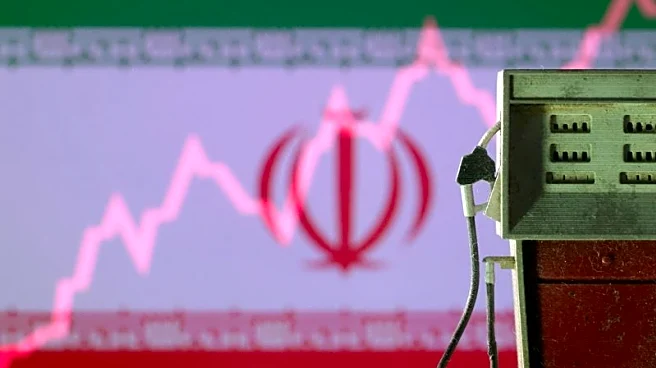
Yan Wang, a strategist at Alpine Macro, has highlighted the ongoing volatility in emerging markets as a result of the Iran conflict. The energy shock stemming from the war in Iran is creating short-term negative impacts on these markets. Wang points out
that while the immediate effects are concerning, larger issues such as fears of a global recession, the sustainability of the artificial intelligence trade, and market valuations are of greater long-term significance. Additionally, Wang notes the current 'emergency environment' faced by Asian central bankers, which is compounded by the upcoming Two Sessions in China, a significant political event that could influence economic policies.
Why It's Important?
The volatility in emerging markets due to the Iran conflict has significant implications for global economic stability. Emerging markets are often seen as growth engines for the global economy, and instability in these regions can lead to broader economic repercussions. The energy shock is particularly concerning as it can lead to increased costs and inflationary pressures, affecting both local and global markets. Furthermore, the potential for a global recession, as mentioned by Wang, could have widespread impacts on international trade and investment. The sustainability of the AI trade is also crucial, as it represents a significant sector of economic growth and innovation.
What's Next?
As the situation in Iran continues to unfold, stakeholders in emerging markets will need to closely monitor developments and adjust their strategies accordingly. The upcoming Two Sessions in China could provide insights into future economic policies that may affect these markets. Central banks in Asia may also need to implement measures to stabilize their economies in response to the ongoing volatility. Investors and policymakers will be watching for any signs of resolution in the Iran conflict, as well as any shifts in global economic conditions that could influence market stability.