





What's Happening?
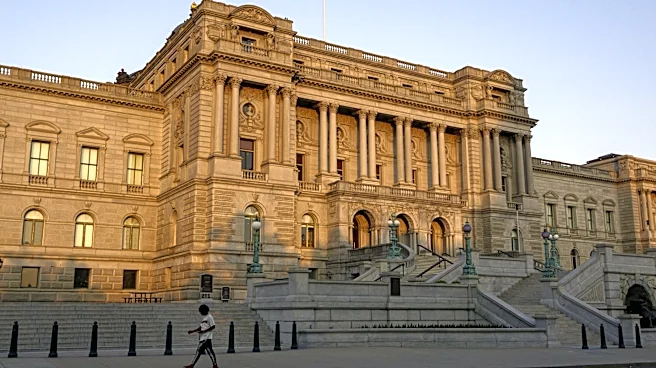
In the spring of 1941, as World War II intensified in Europe, the Library of Congress undertook a significant initiative to protect the United States' most valuable documents from potential enemy attacks. Under the leadership of Archibald MacLeish, the ninth
Librarian of Congress, hundreds of workers and volunteers meticulously cataloged and prioritized documents, books, music, maps, and artwork for safekeeping. This effort resulted in nearly 5,000 boxes of cultural artifacts, with the most critical items, including the U.S. Constitution and the Declaration of Independence, being transported to Fort Knox for protection. Other important documents were distributed among universities in Virginia and Ohio. This operation was conducted with utmost secrecy, and the documents remained secure throughout the war.
Why It's Important?
The safeguarding of these documents was crucial as they represent the foundational elements of American democracy and heritage. The initiative underscored the importance of preserving national history and cultural identity during times of conflict. By protecting these irreplaceable items, the Library of Congress ensured that future generations would have access to the original documents that shaped the nation. This action also highlighted the strategic foresight of U.S. leaders in anticipating potential threats and taking proactive measures to mitigate risks. The preservation of these documents during WWII serves as a testament to the value placed on historical and cultural preservation in the face of global conflict.
What's Next?
Following the war, the documents were returned to Washington, D.C., and made available for public viewing. The Declaration of Independence and the Constitution have since been housed in the National Archives, where they continue to be protected and displayed. The successful protection of these documents during WWII set a precedent for future preservation efforts and reinforced the importance of safeguarding national treasures. As global threats evolve, similar strategies may be employed to protect cultural and historical assets from potential harm.
Beyond the Headlines
The operation to protect these documents during WWII also reflects broader themes of national identity and the role of cultural heritage in uniting a nation. The meticulous care taken to preserve these items highlights the intrinsic value placed on historical continuity and the collective memory of a nation. This initiative also raises questions about the ethical responsibilities of governments to protect cultural heritage during times of crisis and the potential consequences of failing to do so. The preservation efforts during WWII serve as a reminder of the enduring importance of cultural artifacts in shaping national narratives and identity.