




What's Happening?
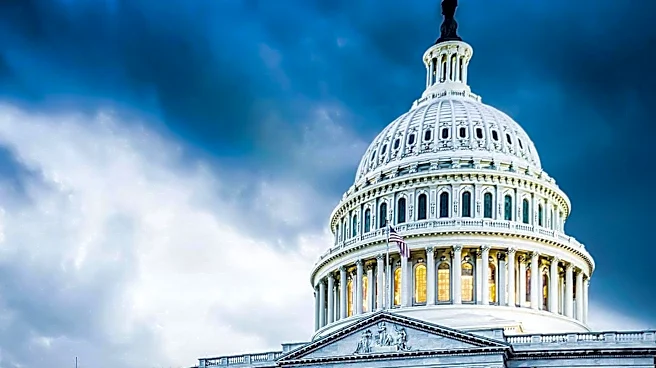
During a recent R&B Tour stop at AT&T Stadium in Arlington, Texas, U.S. Representative Jasmine Crockett presented musician Chris Brown with a congressional recognition. The honor, also extended to Usher, celebrated Brown's career and contributions to R&B music.
Music producer RoccStar, who has collaborated extensively with Brown, stated he facilitated the connection between Brown and Congress for this recognition. Rep. Crockett, a Democrat representing Texas' 30th Congressional District, appeared onstage to personally deliver the recognition, which will be documented in the Congressional Record. Texas state Rep. Venton Jones also participated in the presentation. This event occurred as Brown and Usher continue their co-headlining R&B Tour across North America, a tour that has seen expanded dates due to high demand.
Why It's Important?
This congressional recognition of Chris Brown is significant due to the controversy surrounding his past legal issues, including a 2009 guilty plea for assaulting Rihanna and subsequent incidents. The decision by Rep. Crockett to honor Brown has drawn criticism from various quarters, with some expressing dismay at the platforming of an individual with a history of domestic violence. This event highlights the ongoing tension between artistic achievement and personal conduct, particularly when public figures are involved. For the music industry, it underscores the complex relationship between artists, their public image, and official recognition. The inclusion of this recognition in the Congressional Record means Brown's contributions to R&B will be formally acknowledged by lawmakers, potentially sparking further debate about the criteria for such honors and the role of elected officials in cultural endorsements.
What's Next?
The immediate aftermath of this event has seen a wave of public discussion and criticism directed at Rep. Crockett for her decision to honor Chris Brown. This backlash is likely to continue, potentially influencing public perception of the representative and the broader implications of congressional recognitions. As the R&B Tour with Usher and Chris Brown continues its scheduled dates across North America, further scrutiny of Brown's public appearances and any future acknowledgments may arise. The incident could also prompt discussions within legislative bodies regarding the protocols and vetting processes for issuing official recognitions, especially for individuals with controversial pasts. Stakeholders, including advocacy groups against domestic violence, may voice stronger opposition, potentially leading to calls for clearer guidelines on who receives such honors.
Beyond the Headlines
The congressional recognition of Chris Brown delves into deeper societal questions about redemption, accountability, and the separation of an artist's work from their personal life. While Brown's musical impact on R&B is acknowledged, his history of violence against women remains a significant point of contention. This event forces a re-evaluation of how society, and particularly its elected representatives, chooses to honor individuals. It raises ethical considerations about whether artistic merit should outweigh or be considered independently of an individual's moral conduct. The controversy also highlights the power of public platforms and the responsibility that comes with them, both for the artists and the officials who choose to endorse them. This incident could contribute to a broader cultural conversation about cancel culture, forgiveness, and the standards applied to public figures in the U.S.