






What's Happening?
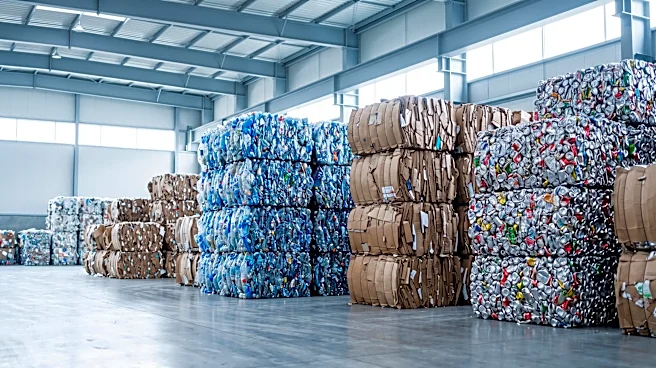
The effectiveness and economic viability of plastic waste recycling are under significant scrutiny, with various sources highlighting challenges and limitations. Only a small fraction of all plastic ever produced, approximately 9-10%, has been recycled,
a figure considerably lower than that for glass (21%) and paper (58%). Mechanical recycling, the most common method, often leads to 'downcycling,' where the quality of the plastic degrades with each cycle, retaining only about 5% of the virgin material's value. Contamination, particularly from food residues, poses a major hurdle, increasing odors and degrading recyclate quality. While industrial recycling processes include washing steps, excessive household washing is deemed unnecessary and environmentally costly due to water and energy consumption. Chemical recycling, which converts plastic into fuels, is also questioned as a true form of recycling. The industry's emphasis on downstream recycling is seen by some as a tactic to delay production caps, despite recycling offering genuine greenhouse gas benefits. The economic landscape for mechanical recycling is often unfavorable, with many operations showing negative net present values, especially for mixed plastic fractions, and profitability being highly sensitive to product prices and yields. Low oil prices further undermine the economic competitiveness of recycled plastics against virgin materials.
Why It's Important?
The ongoing debate and challenges surrounding plastic recycling have profound implications for environmental policy, consumer behavior, and industrial practices in the U.S. and globally. The low recycling rates and the phenomenon of downcycling mean that a vast majority of plastic waste continues to accumulate in landfills or the environment, exacerbating pollution and resource depletion. This situation calls into question the efficacy of current recycling infrastructure and policies, suggesting a need for more robust solutions. Economically, the unprofitability of many recycling operations indicates that market forces alone are insufficient to drive widespread plastic circularity, necessitating policy interventions such as extended producer responsibility (EPR) schemes, recycled content mandates, and carbon pricing. For consumers, the confusion surrounding proper recycling practices, including whether to wash items, highlights a gap in public education and consistent guidelines. The critique that the recycling narrative has been used to greenwash the plastics industry underscores the importance of transparent communication and accountability from manufacturers. Ultimately, the current state of plastic recycling suggests that a fundamental shift towards reducing plastic production, improving design for recyclability, and investing in advanced, truly circular technologies is crucial to address the plastic crisis effectively.
What's Next?
Addressing the multifaceted challenges in plastic recycling will likely involve a combination of policy changes, technological advancements, and shifts in consumer and industry behavior. Policymakers may increasingly consider implementing stricter regulations, such as mandatory recycled content targets for products and comprehensive EPR schemes, to create a more stable economic environment for recycling. Investments in advanced sorting technologies and chemical recycling methods that genuinely close the loop, rather than merely converting plastic to fuel, are anticipated. There will also be a continued push for improved infrastructure to handle diverse plastic waste streams and reduce contamination. Educational campaigns aimed at clarifying recycling guidelines for consumers, particularly regarding the preparation of recyclables, could help improve the quality of collected materials. Furthermore, the broader conversation is expected to shift towards upstream solutions, emphasizing reduction, reuse, and innovative material design to minimize plastic waste generation at its source. The plastics industry will face increasing pressure to innovate towards more sustainable materials and take greater responsibility for the end-of-life management of its products, moving beyond a sole reliance on recycling as the primary solution.
Beyond the Headlines
The complexities of plastic recycling extend beyond immediate environmental and economic concerns, touching upon deeper ethical and systemic issues. The revelation that a significant portion of plastic recycling efforts may be ineffective or even a form of 'greenwashing' challenges public trust in corporate sustainability claims and government environmental initiatives. This raises ethical questions about corporate responsibility and the potential for misleading consumers about the true impact of their consumption habits. Systemically, the reliance on fossil fuels for virgin plastic production intertwines the plastic crisis with climate change, highlighting the need for a holistic approach that addresses both. The presence of hazardous chemicals in recycled plastics and the generation of microplastics during mechanical recycling processes also pose long-term health and environmental risks that are not immediately apparent. Culturally, the 'throwaway' mentality fostered by single-use plastics requires a fundamental re-evaluation, moving towards a more circular economy where materials are valued and reused. The global disparity in recycling capabilities and waste management infrastructure also points to issues of environmental justice, as wealthier nations often export their plastic waste to countries with less capacity to manage it sustainably. Ultimately, the plastic recycling dilemma is a microcosm of broader sustainability challenges, demanding systemic change, ethical considerations, and a redefinition of our relationship with materials.