

What's Happening?
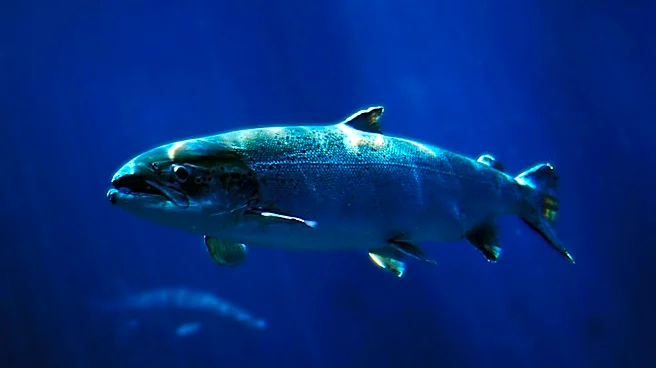
The Washington Department of Fish and Wildlife (WDFW) has announced an immediate closure of all coho salmon fishing in Lake Washington, effective September 16, and extending until further notice. The closure specifically impacts areas north of the Highway
520 Bridge, east of the Montlake Bridge, and a section of the Sammamish River near Kenmore. This decision was made because in-season fishery data, based on fish counts at the Ballard Locks, indicates that the return of coho salmon to the Lake Washington/Lake Sammamish basin is significantly smaller than forecasted. The WDFW stated that this rule change is essential to ensure that broodstock and natural spawning goals for the coho salmon population are met, thereby protecting the long-term health of the species.
Why It's Important?
This fishing closure is important for several reasons, primarily concerning environmental conservation and the economic impact on local communities. The smaller-than-expected return of coho salmon signals potential ecological imbalances or environmental pressures affecting the species, which could include habitat degradation, climate change impacts on water temperatures, or other factors. For the U.S. fishing industry and recreational anglers, the closure represents a direct economic loss and a disruption to traditional activities. It also highlights the critical role of government agencies like the WDFW in managing natural resources and making difficult decisions to protect vulnerable species. The long-term health of salmon populations is vital for the Pacific Northwest ecosystem and its cultural heritage, making conservation efforts like this closure crucial for maintaining biodiversity and ecological stability.
What's Next?
The coho salmon fishing closure in Lake Washington will remain in effect until further notice, indicating that the WDFW will continue to monitor fish counts and environmental conditions. Future decisions regarding the reopening of fishing will depend on improved salmon returns and the achievement of broodstock and natural spawning goals. The WDFW will likely conduct further assessments and potentially implement additional conservation measures if the low returns persist. Anglers and local communities will need to stay informed through official WDFW channels for updates on the closure and any subsequent changes. This situation may also prompt increased research into the causes of the lower salmon returns to inform future management strategies.
Beyond the Headlines
The closure of coho salmon fishing in Lake Washington points to broader environmental and ecological concerns that extend beyond a single species. Salmon are often considered an indicator species, meaning their health reflects the overall health of the aquatic ecosystems they inhabit. A decline in coho returns could signal deeper issues within the Lake Washington/Lake Sammamish basin, such as water quality degradation, altered migration patterns due to climate change, or increased predation. This situation underscores the interconnectedness of environmental factors and the delicate balance required to sustain natural populations. It also highlights the ongoing tension between human activities, such as fishing, and the imperative of conservation. The long-term implications could involve more stringent environmental regulations, increased funding for habitat restoration, and a greater public awareness of the fragility of local ecosystems.