





What's Happening?
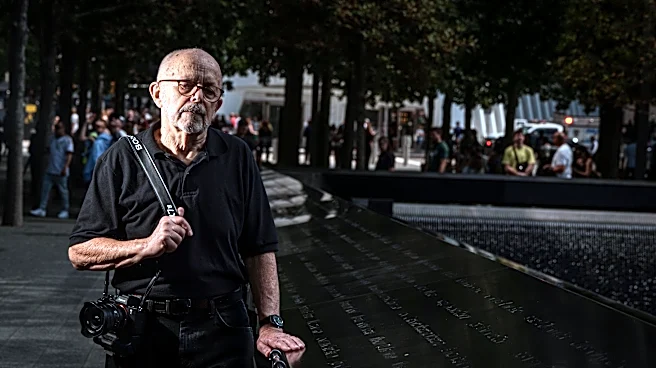
Ahead of the 25th anniversary of the September 11 attacks, New York City has released thousands of documents concerning air quality and health concerns in Lower Manhattan following the attacks. The public portal also includes files detailing the city's
response and its knowledge of toxins in the years after the event. Corporation Counsel Steven Banks discussed these newly released files and their implications for survivors and their families during an interview on NY1's 'Inside City Hall' with political anchor Errol Louis. This release follows years of court battles and advocacy by groups like 9/11 Health Watch and families of victims, who filed Freedom of Information Law requests that were initially denied but later won through litigation. The documents, totaling over 170,000 pages, include internal memos from the city's environmental department and other highly sought-after records, now searchable by keywords.
Why It's Important?
The release of these documents is critically important for 9/11 survivors and their families, as it provides long-awaited transparency regarding the city's understanding of the health risks in the aftermath of the attacks. For years, there has been a struggle to ascertain the full extent of the toxic exposure and the city's awareness of these dangers. The newly available information, including internal memos like the 2001 Harding memo, which detailed potential legal liabilities and concerns about individuals returning to Lower Manhattan too quickly, could significantly impact ongoing and future health claims and legal actions. These documents reveal internal acknowledgments of potential health hazards, such as the presence of asbestos in debris, which could strengthen the cases of those suffering from 9/11-related illnesses. This transparency is crucial for accountability and for ensuring that affected individuals receive the support and compensation they deserve, potentially influencing public policy regarding disaster response and long-term health monitoring.
What's Next?
The immediate next step will likely involve a thorough review of the newly released documents by 9/11 survivors, their families, legal teams, and advocacy groups. This extensive collection of over 170,000 pages will be scrutinized for further evidence of the city's knowledge and actions regarding the toxic environment post-9/11. This could lead to new or reinforced legal challenges against the city or other entities, seeking additional compensation or healthcare provisions for those affected. Advocacy groups will likely use this information to push for legislative changes or expanded support programs for the 9/11 community. Furthermore, the release could prompt public discussions and potentially new investigations into the handling of the aftermath, influencing how future large-scale disasters are managed in terms of public health and environmental safety. The 25th anniversary of the attacks will serve as a significant platform for these discussions and calls for action.
Beyond the Headlines
The release of these 9/11 documents delves into deeper ethical and legal implications concerning governmental transparency and accountability in times of crisis. The fact that these documents were obtained through years of legal battles, rather than proactive disclosure, highlights a persistent tension between public right-to-know and governmental control of information, especially when potential liabilities are involved. The internal memos, which show early awareness of health risks and potential legal ramifications, raise questions about the ethical responsibilities of public officials to prioritize public health over potential legal exposure. This situation could set a precedent for future disaster responses, emphasizing the need for immediate and comprehensive disclosure of environmental and health data. Culturally, this ongoing struggle for information underscores the enduring impact of 9/11 on American society, not just in terms of memory and memorialization, but also in the long-term health and well-being of those who lived through it and continue to suffer its consequences.