



What's Happening?
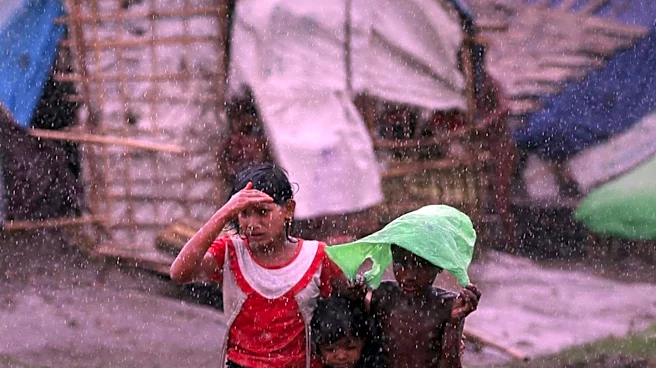
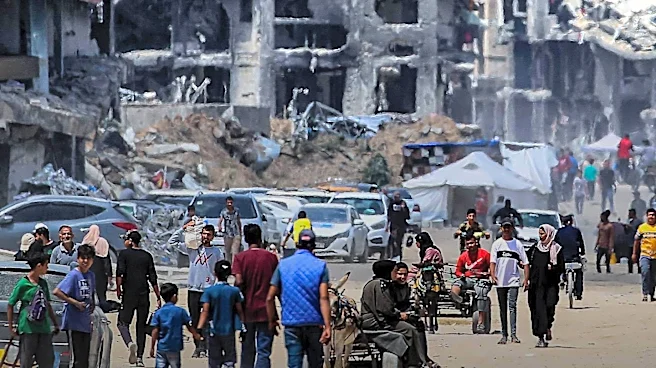
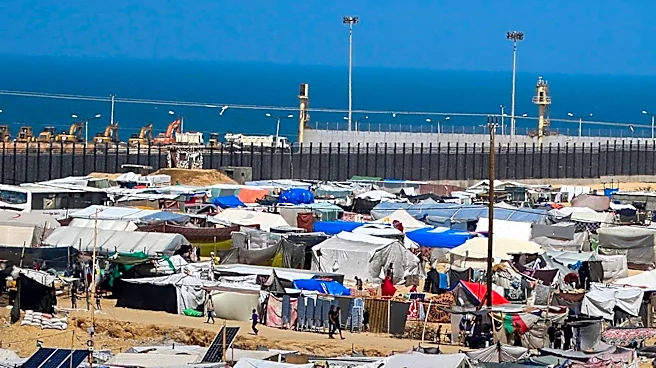
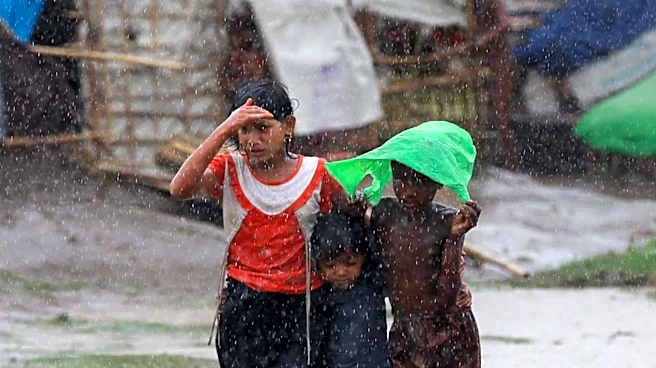
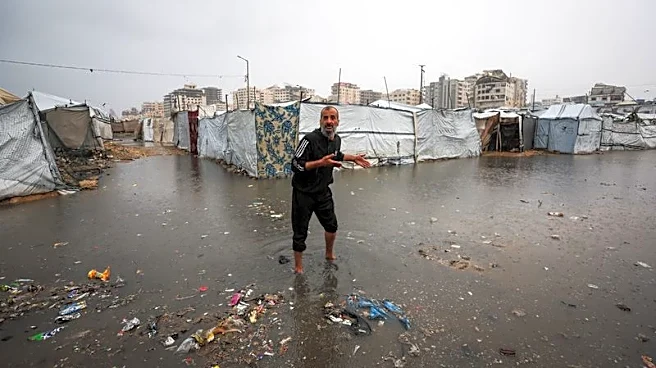
Gaza's Civil Defense Directorate has issued an urgent warning to displaced families in Gaza regarding impending severe winter weather, including heavy rain and strong winds. Nearly 950,000 displaced Palestinians are at risk of flooding, with hundreds
of thousands living in deteriorating tents and unsafe buildings. The UN Office for the Coordination of Humanitarian Affairs (OCHA) reports that over 400,000 people are in highly vulnerable areas, and another 44,000 are sheltering in structurally unsafe buildings. The Civil Defense Directorate has advised families in tents to secure their shelters, construct earthen barriers, and dig drainage channels. Residents are also urged to raise personal belongings and avoid structurally damaged buildings. This warning comes as Gaza faces a significant shelter crisis following widespread destruction from a military offensive that began in October 2023, with over 2.15 million displaced Palestinians across the enclave.
Why It's Important?
The approaching winter storms exacerbate an already dire humanitarian situation in Gaza, where a major shelter crisis persists. The vulnerability of nearly a million displaced Palestinians to flooding and structural collapse highlights the critical need for immediate humanitarian intervention. The destruction of municipal and emergency equipment has severely weakened Gaza's capacity to respond to such weather events, limiting the ability of emergency teams to provide aid, evacuate families, and assist those trapped. This situation poses significant health risks, particularly for children, older people, and individuals with disabilities, due to prolonged exposure to cold and damp conditions. The ongoing restrictions on essential materials and funding shortages further impede efforts to provide adequate shelter and support, underscoring the urgent need for international assistance and the removal of barriers to humanitarian aid.
What's Next?
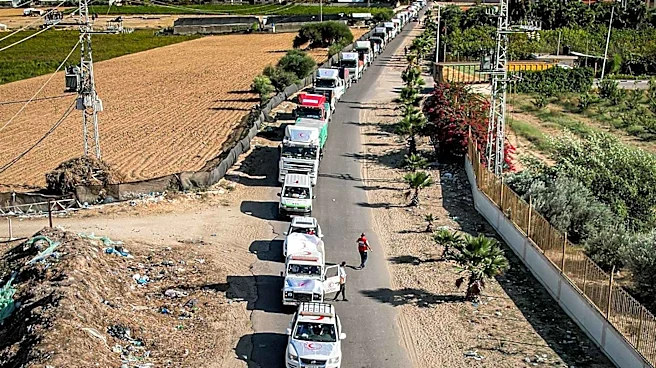
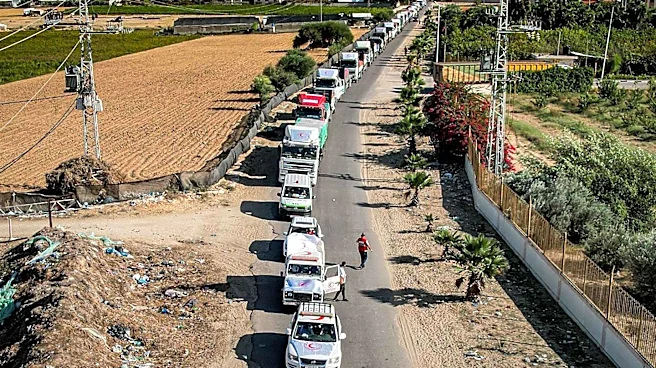
Humanitarian organizations are currently assessing high-risk displacement sites, installing sandbags, clearing drainage channels, and helping families reinforce their shelters. Some agencies are also supporting voluntary relocation from particularly dangerous locations, though finding alternative accommodation remains challenging due to overcrowding and a shortage of suitable land. The humanitarian response continues to be complicated by restrictions on the entry of shelter materials and construction equipment, as well as funding shortages. Despite a ceasefire agreement from October 2025, restrictions on essential materials persist, hampering efforts to improve living conditions. With current supplies covering only about 18% of families needing winter shelter assistance, the coming weeks will likely see increased efforts to secure and distribute aid, alongside continued calls for unrestricted access for humanitarian supplies.
Beyond the Headlines
The ongoing shelter crisis and the heightened vulnerability to natural disasters in Gaza underscore the long-term consequences of conflict and displacement. The destruction of infrastructure and the persistent restrictions on aid not only create immediate humanitarian challenges but also hinder any prospects for sustainable recovery and development. This situation raises profound questions about international responsibility to protect civilian populations in conflict zones and ensure their basic human rights, including the right to adequate shelter and safety. The inability to effectively prepare for foreseeable environmental threats due to political and logistical barriers highlights a systemic failure in addressing complex humanitarian emergencies, potentially leading to a cycle of dependency and prolonged suffering for the affected population.