


What's Happening?
Uras Agee IV, a former Division II college football player, is facing accusations of fabricating an NFL career. Agee has allegedly presented himself online for several years as having played for the Tampa Bay Buccaneers and as a safety for the Dallas
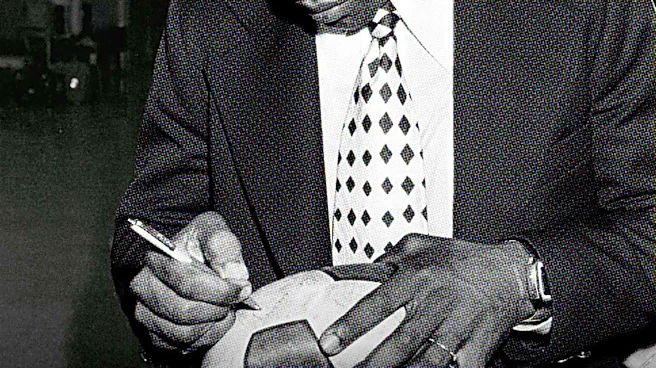
Cowboys. His X profile reportedly mentioned Super Bowl LV and identified him as a Cowboys safety. He has also posted videos suggesting an association with the Buccaneers and a five-season NFL career, often wearing NFL team apparel. Furthermore, Agee appeared in a graphic similar to Roc Nation Sports' 'Welcome to the Family' campaign, implying representation by the sports agency. However, records indicate Agee played college football at Shorter University as a junior defensive back in 2017, with no statistics available. There are no valid NFL roster or transaction records confirming his participation with any NFL team, nor is there public information linking him to Roc Nation Sports. In 2023, Agee participated in a Toys for Tots drive advertised by Ryze Wellness and MedSpa in Tampa, where he signed a football as an NFL player, despite attending in Cowboys apparel while the spa advertised his Buccaneers connection. Agee has not been criminally charged, and there is no indication the spa incurred financial losses due to this alleged misrepresentation.
Why It's Important?
This incident highlights the potential for individuals to create elaborate false identities in the digital age, leveraging social media and public events to gain credibility. The case of Uras Agee IV, following closely on the heels of another alleged fake NFL player, Daejon Love, underscores a concerning trend of individuals misrepresenting their professional achievements. This can have implications for public trust, particularly when such individuals engage with charitable organizations or businesses. While Agee has not been criminally charged, the alleged deception raises questions about due diligence in public appearances and endorsements. For businesses like Ryze Wellness and MedSpa, associating with individuals who misrepresent their credentials can inadvertently impact their reputation, even if no financial harm occurs. The broader sports community also faces challenges in maintaining the integrity of professional sports, as these incidents can dilute the value of genuine athletic accomplishments and fan engagement. The ease with which such a facade can be maintained online for years suggests a need for greater scrutiny and verification in public interactions involving perceived celebrities or athletes.
What's Next?
While Uras Agee IV has not been criminally charged, the public exposure of these allegations may lead to increased scrutiny of individuals claiming professional sports affiliations, particularly in public and charitable settings. Businesses and event organizers may implement more rigorous verification processes for individuals participating in promotional activities or endorsements. The incident could also prompt social media platforms to review their policies regarding the verification of user claims, especially those that could mislead the public. Given the recent similar case involving Daejon Love, there might be a broader discussion within the sports and entertainment industries about preventing such misrepresentations. It remains to be seen if any civil actions will arise from the alleged deception, particularly if any entities or individuals feel they were directly harmed or misled by Agee's claims. The ongoing public discourse around these cases could also influence how fans and the media perceive and verify information about athletes.
Beyond the Headlines
The alleged fabrication of an NFL career by Uras Agee IV touches upon deeper societal issues related to identity, aspiration, and the allure of celebrity. In an era where personal branding and online presence are paramount, the pressure to achieve and project success can lead individuals to create elaborate fictions. This case, alongside others, reveals a vulnerability in how the public and even organizations perceive and validate claims, especially when they align with desirable narratives of success and philanthropy. The incident also raises ethical questions about the responsibility of individuals to be truthful about their professional backgrounds, particularly when engaging with the public or charitable causes. The ease with which Agee allegedly maintained this false persona for years highlights the challenges of distinguishing genuine achievements from fabricated ones in a highly interconnected digital world. This trend could lead to a broader erosion of trust in public figures and online personas, necessitating a more critical approach to information consumption and verification.