
What's Happening?
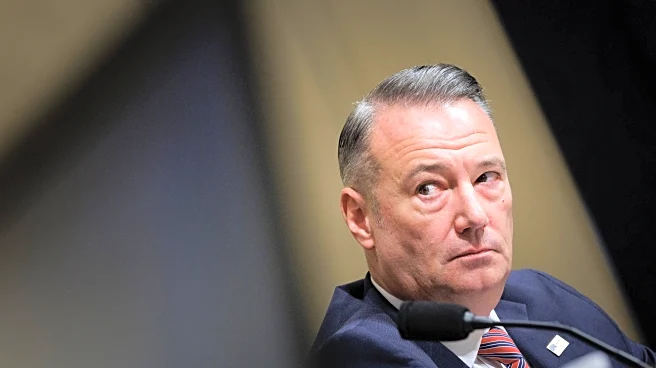
A shift is occurring among comedians who previously supported President Trump, as they begin to express discontent with his administration. Notable figures in the comedy podcast sphere, such as Andrew Schulz and Theo Von, have started to voice criticisms
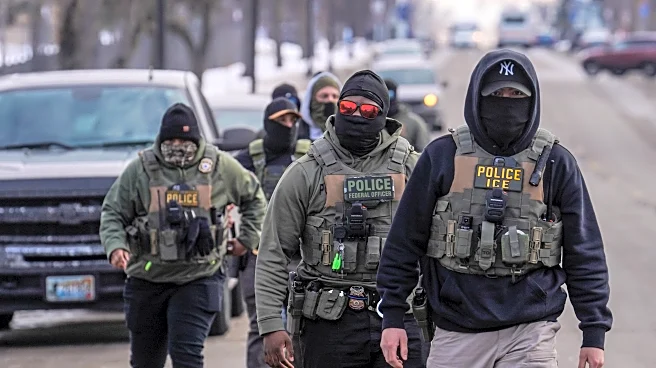
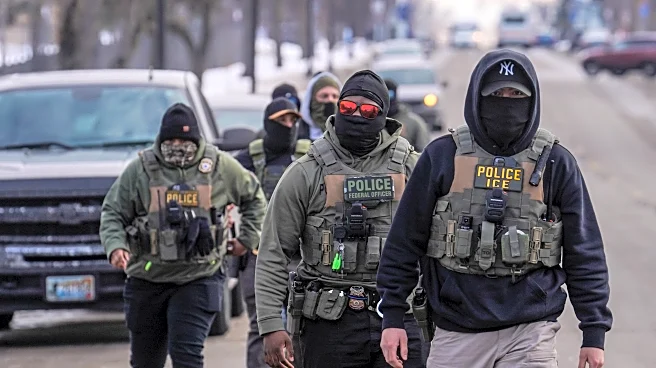
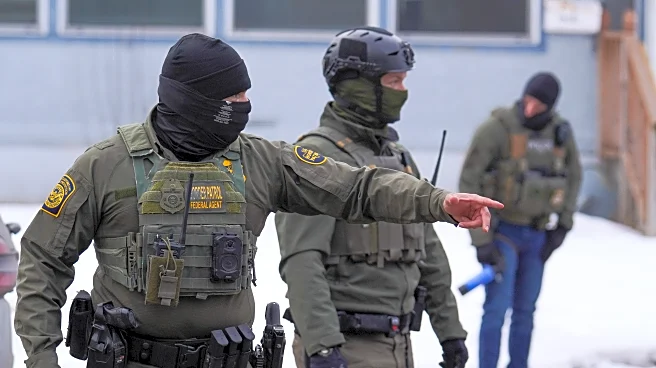
of Trump's policies and actions. This change in tone is partly attributed to recent events, such as the fatal shooting of Alex Pretti by ICE agents, which Schulz cited as a turning point. The comedians, who have significant influence through their podcasts, are now questioning the administration's tactics and expressing a more nuanced view of Trump's leadership.
Why It's Important?
The shift in stance by these influential comedians could have significant implications for public opinion and political discourse. Comedy podcasts have become a powerful medium for shaping cultural and political narratives, reaching millions of listeners. As these comedians begin to critique Trump, it may signal a broader change in how his administration is perceived by the public. This could impact Trump's support base, particularly among younger audiences who engage with these podcasts. The comedians' influence extends beyond entertainment, as they help shape the emotional and cultural context in which political events are interpreted.
What's Next?
As comedians continue to reassess their stance on Trump, it is likely that their audiences will also begin to question their views on his administration. This could lead to a shift in public sentiment, particularly among demographics that are heavily influenced by podcast culture. The comedians' critiques may also prompt other media figures to reevaluate their positions, potentially leading to a broader cultural shift. Additionally, the comedians' evolving perspectives may influence future political campaigns, as candidates seek to engage with audiences through these popular platforms.
Beyond the Headlines
The comedians' shift away from supporting Trump highlights the complex relationship between entertainment and politics. It underscores the role of media figures in shaping political narratives and the potential for cultural influencers to impact public opinion. This development also raises questions about the ethical responsibilities of comedians and other media personalities in political discourse. As the lines between entertainment and politics continue to blur, the influence of comedians and other cultural figures in shaping political landscapes is likely to grow, prompting further examination of their role in society.