

What's Happening?
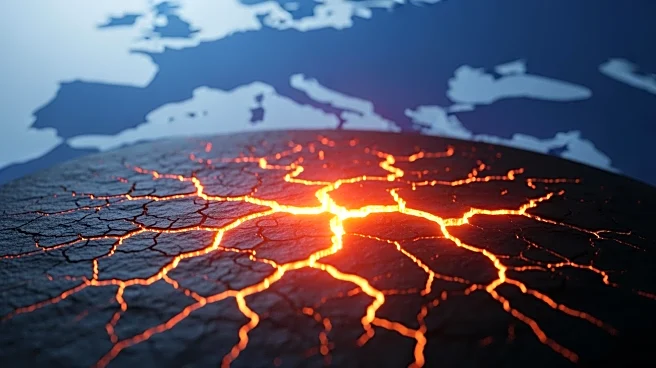
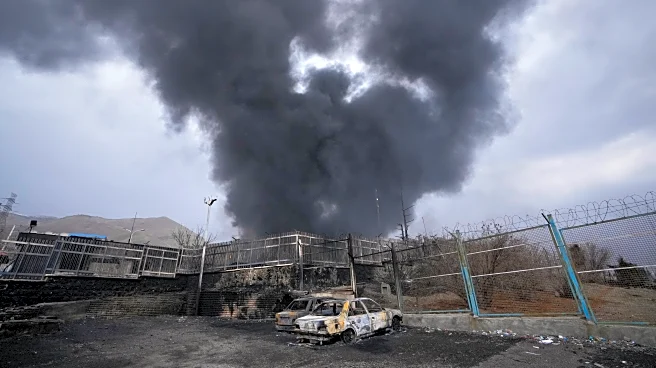
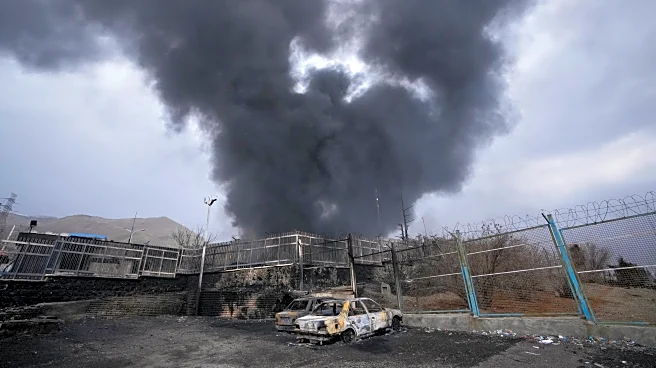
The ongoing conflict in Iran is causing a surge in European energy prices, reminiscent of the inflation shock experienced during the Ukraine invasion. Despite fears of a full-blown energy crisis, investment strategists suggest that the situation may not
escalate to the same extent as in 2022. The International Energy Agency has released 400 million barrels of oil from emergency reserves, helping to stabilize prices. Analysts note that the current global economic conditions differ from those during the Ukraine crisis, with less fractured supply chains and more diversified energy sources. However, the duration of the conflict and disruptions in LNG supply from Qatar remain critical factors.
Why It's Important?
The rise in energy prices due to the Iran conflict poses significant challenges for European economies, potentially impacting inflation rates and central bank policies. The situation underscores the importance of energy diversification and long-term contracts to mitigate price volatility. As Europe continues to reduce its dependence on Russian gas, the need for stable energy sources becomes increasingly crucial. The conflict's impact on inflation could delay interest rate cuts by central banks, affecting economic growth and financial stability across the continent.