
What's Happening?
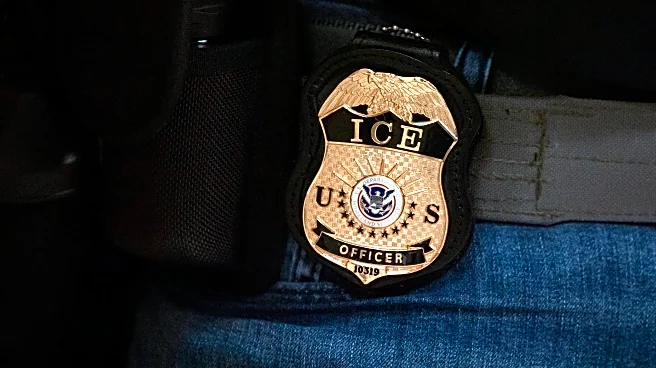
A recent memo from U.S. Immigration and Customs Enforcement (ICE) has come under scrutiny after whistleblowers revealed that it allows agents to enter homes of individuals suspected of being in the U.S. illegally
without a judicial warrant. The memo reportedly authorizes the use of administrative warrants, which do not require the same level of judicial oversight as traditional warrants. This development has raised concerns among civil rights groups and immigration advocates who argue that it could lead to potential abuses of power and violations of constitutional rights. The memo's existence was brought to light by a whistleblower group, highlighting the ongoing debate over immigration enforcement practices in the United States.
Why It's Important?
The implications of this ICE memo are significant, as it touches on the balance between national security and individual rights. Allowing agents to enter homes without a judicial warrant could lead to increased tensions between law enforcement and immigrant communities, potentially eroding trust in government institutions. This policy could also set a precedent for other law enforcement agencies, raising broader questions about privacy and due process. Critics argue that such measures could disproportionately affect minority communities and lead to racial profiling. The controversy surrounding this memo underscores the ongoing national debate over immigration policy and enforcement tactics.
What's Next?
The revelation of this memo is likely to prompt legal challenges and calls for congressional oversight. Civil rights organizations may seek to challenge the policy in court, arguing that it violates constitutional protections against unreasonable searches and seizures. Lawmakers could also demand hearings to investigate the memo's origins and implications. The outcome of these actions could influence future immigration policies and enforcement strategies. Additionally, public reaction and media coverage may pressure ICE and other government agencies to reconsider or clarify their enforcement practices.