



What's Happening?
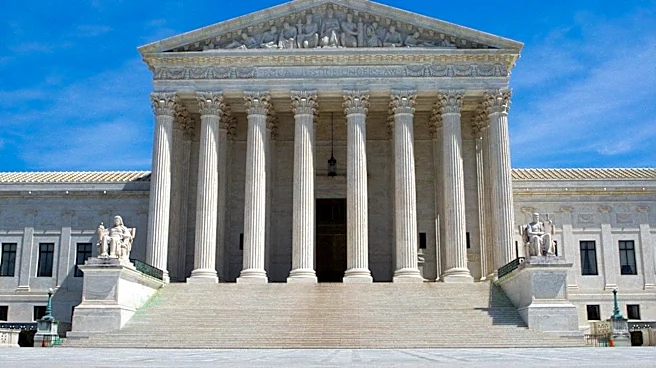
A coalition of former judges and prosecutors is pressing the U.S. Supreme Court to review a Texas death penalty case, *Alvarez v. Guerrero*, due to concerns about ineffective legal representation. The case centers on a defendant whose lead attorney reportedly
fell asleep repeatedly during critical phases of the trial, including witness testimony and questioning. Despite the presence of a second defense attorney, an enforced local rule prevented that attorney from actively participating in certain proceedings, such as questioning witnesses or making objections. The 5th U.S. Circuit Court of Appeals previously denied habeas corpus relief, allowing the conviction and death sentence to stand. The coalition argues that this situation undermines the constitutional right to effective counsel, as merely having an attorney physically present is insufficient if they cannot provide meaningful representation. They cite Supreme Court precedents like *Strickland v. Washington* and *United States v. Cronic* to support their argument that the Sixth Amendment guarantees more than just the physical presence of counsel.
Why It's Important?
This case highlights fundamental questions about the integrity of the U.S. justice system, particularly in capital cases where the consequences are irreversible. If the Supreme Court declines to review the case, it could set a precedent that weakens constitutional protections for defendants, potentially limiting their ability to challenge convictions where their legal representation was demonstrably inadequate. The coalition emphasizes that judges and prosecutors have a responsibility to ensure fair proceedings and that attorneys are capable of performing their duties. The fact that jurors also noted the attorney's conduct and believed the defense did not adequately represent their client underscores public perception issues regarding fairness. This situation could erode public trust in the judicial process, especially in death penalty cases, and raises concerns about whether justice is truly served when a defendant's right to a robust defense is compromised.
What's Next?
The Supreme Court has not yet agreed to hear the case, and the respondent's deadline to file a response has been extended to November 2, 2026. The coalition is specifically asking the Supreme Court to grant review, vacate Alvarez's conviction, and remand the case for further proceedings. Should the Supreme Court take up the case, its decision could have significant implications for how 'effective assistance of counsel' is interpreted and enforced across the country, particularly in capital punishment cases. It could lead to clearer guidelines for judicial intervention when defense attorneys are unable to perform their duties and may influence how lower courts handle similar claims of ineffective assistance. Conversely, if the Supreme Court denies review, the 5th Circuit's ruling will stand, potentially solidifying a narrower interpretation of the right to counsel in such circumstances.
Beyond the Headlines
Beyond the immediate legal implications, this case touches upon broader ethical and systemic issues within the criminal justice system. The argument that a judge's responsibility extends beyond merely appointing counsel to ensuring their active and competent participation raises questions about judicial oversight and accountability. Furthermore, the coalition's emphasis on prosecutors' obligations to safeguard defendants' rights, even when pursuing a conviction, highlights the ethical dilemmas faced by legal professionals. The case also implicitly questions the adequacy of resources for indigent defense, as the quality of legal representation often correlates with financial means. The potential for a conviction to stand despite clear deficiencies in defense counsel could perpetuate a cycle of injustice, particularly for vulnerable populations, and underscores the ongoing debate about the fairness and equity of capital punishment in the U.S.