

What's Happening?
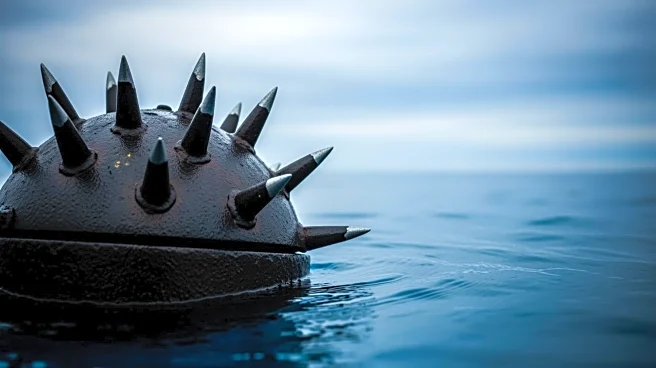
Iran has reportedly deployed a limited number of naval mines in the Strait of Hormuz, a strategic waterway crucial for global oil transportation. According to U.S. officials, fewer than ten mines have been placed, indicating Iran's cautious approach to avoid
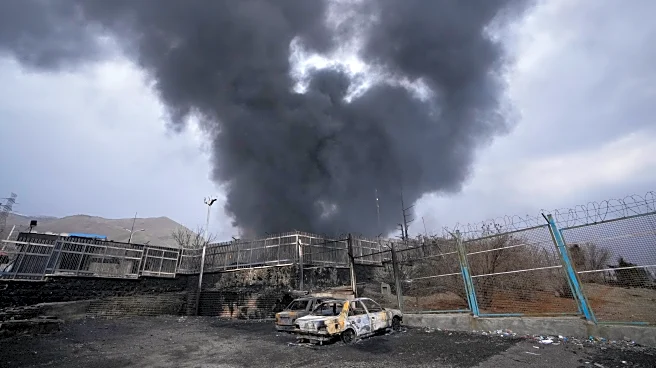
significant political and economic repercussions. The U.S. Central Command (CENTCOM) has responded by destroying several Iranian minelayers to prevent further disruptions. The deployment of mines is part of Iran's broader strategy to threaten maritime traffic and challenge freedom of navigation in the region. This development comes amid ongoing military confrontations involving Iran, the U.S., and Israel, with strikes targeting Iranian military and security infrastructure.
Why It's Important?
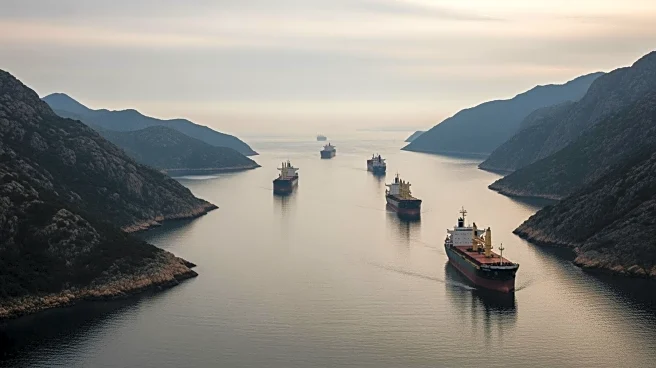
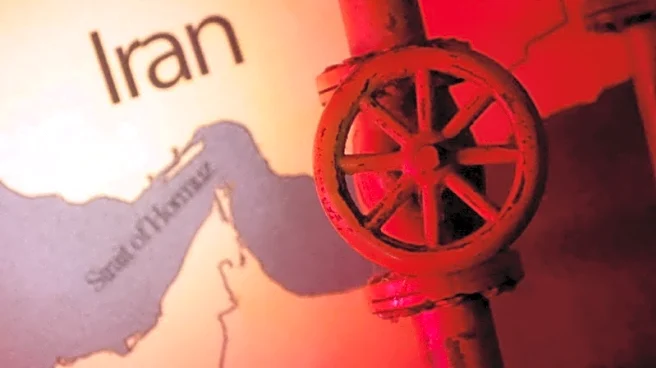
The placement of naval mines in the Strait of Hormuz could have severe implications for international shipping and global oil markets. The strait is a vital passage for oil exports from the Middle East, and any disruption could lead to significant economic consequences worldwide. Iran's actions reflect its strategic use of maritime threats to exert pressure on its adversaries and influence regional dynamics. The situation underscores the importance of maintaining open and secure shipping lanes, which are critical for global trade and energy security.
What's Next?
The international community, particularly countries reliant on oil imports through the Strait of Hormuz, will likely increase diplomatic efforts to address the situation. The U.S. and its allies may enhance their naval presence in the region to ensure the security of maritime routes. Additionally, there could be calls for negotiations to de-escalate tensions and prevent further military confrontations. The potential for further Iranian actions or retaliatory measures by affected countries remains a concern.