










What's Happening?
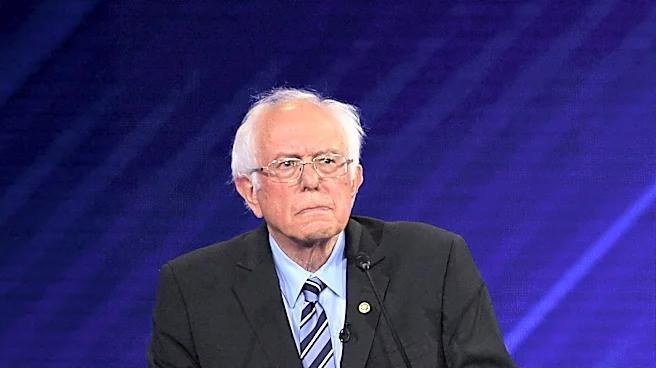
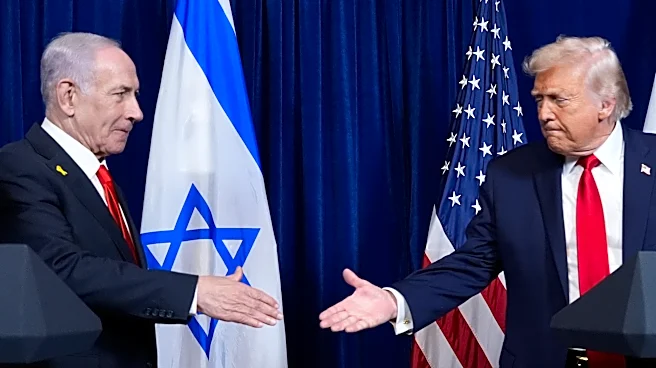
During a recent Democratic Senate primary debate in Michigan, candidates engaged in a heated discussion over U.S. foreign policy towards Israel. Haley Stevens, a candidate with significant backing from pro-Israel donors, criticized Israeli Prime Minister
Benjamin Netanyahu, stating that his policies have not enhanced safety, particularly referencing the Iran conflict. Another candidate, Abdul El-Sayed, labeled Israel as a 'rogue state' and argued that U.S. foreign policy has been overly influenced by Israel and the American Israel Public Affairs Committee (AIPAC). The debate highlighted the growing prominence of Israel as a contentious issue within the Democratic primary in Michigan, a key battleground state.
Why It's Important?
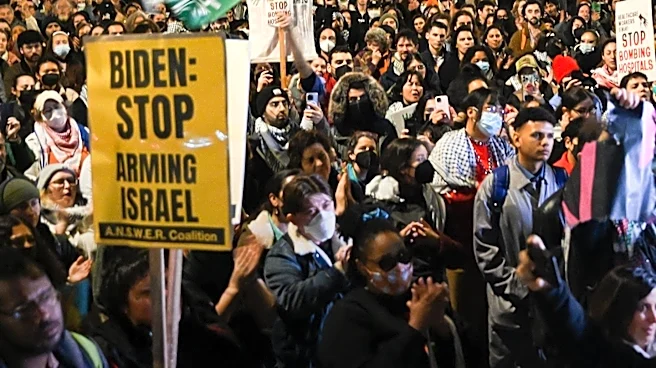
The debate underscores the increasing division within the Democratic Party regarding U.S.-Israel relations. As candidates like Stevens and El-Sayed express differing views on Israel, it reflects a broader shift in the party's stance, which could influence future U.S. foreign policy. The discussion also highlights the role of influential lobbying groups like AIPAC in shaping political discourse. This internal party debate may impact voter preferences in Michigan, a state critical for securing a Senate majority, and could signal a shift in how Democratic candidates approach foreign policy issues in future elections.
What's Next?
As the primary race continues, candidates are likely to further clarify their positions on U.S.-Israel relations, potentially influencing voter sentiment. The outcome of the Michigan primary could set a precedent for how Democratic candidates address foreign policy issues in other battleground states. Additionally, the debate may prompt responses from pro-Israel groups and other stakeholders, potentially affecting campaign strategies and endorsements. Observers will be watching to see if this debate leads to a broader reevaluation of U.S. foreign policy priorities within the Democratic Party.