






What's Happening?
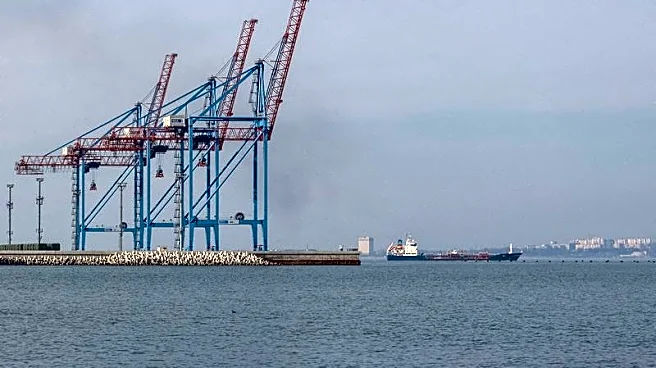
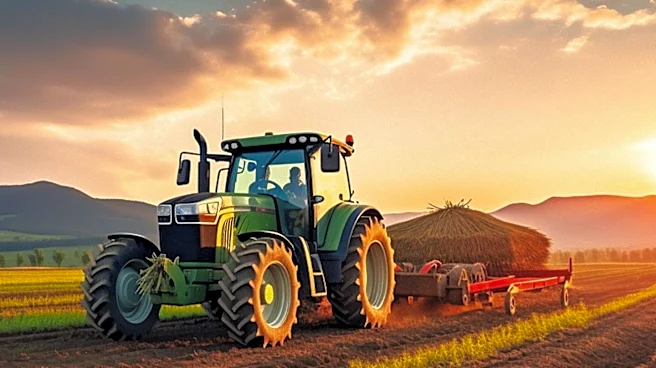
Russia has significantly increased its agricultural exports to Africa, shipping over 11 million metric tons of products worth approximately $2.9 billion in the first half of 2026. This marks a 40% increase in volume and a 35% increase in value compared
to the previous year. Wheat remains the dominant export, accounting for over 90% of the shipments. Other exports include barley, soybean oil, and molasses. Egypt is the largest importer, followed by Sudan and Kenya, which have seen substantial growth in imports. This expansion is part of Russia's broader strategy to strengthen trade and political ties with African nations, especially in light of Western sanctions.
Why It's Important?
The increase in agricultural exports to Africa highlights Russia's strategic pivot towards the continent as a key market for its products. This move is significant in the context of global trade realignments, as Russia seeks to mitigate the impact of Western sanctions by diversifying its trade partners. For African countries, this development could enhance food security and provide more stable supply chains amid global disruptions. However, it also raises questions about dependency on Russian imports and the potential geopolitical implications of closer ties with Russia.
What's Next?
Russia is likely to continue expanding its agricultural exports to Africa, potentially increasing its influence on the continent. This could lead to more bilateral agreements and partnerships, further integrating African economies with Russia. African nations may also seek to balance their trade relationships to avoid over-reliance on a single supplier. The international community may monitor these developments closely, considering the geopolitical ramifications of Russia's growing presence in Africa.
Beyond the Headlines
The surge in Russian agricultural exports to Africa reflects broader trends in global trade, where countries are seeking new markets and alliances in response to geopolitical tensions. This shift could lead to long-term changes in trade patterns and economic dependencies. Additionally, it highlights the importance of food security as a strategic priority for many African nations, which may influence their foreign policy and economic strategies.