



What's Happening?
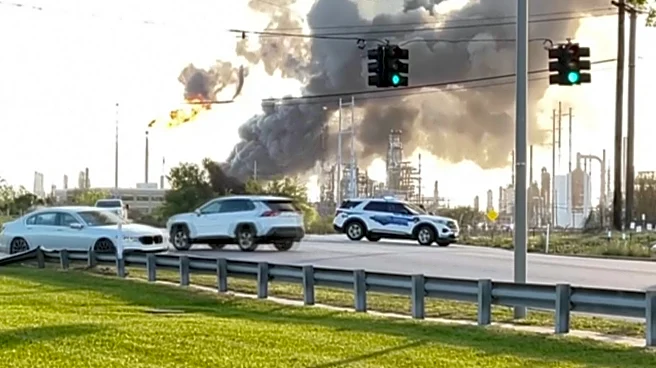
A fire and explosion occurred at the Valero Refinery in Port Arthur, Texas, involving a heater unit. The incident, which took place around 6:30 PM on Monday, resulted in no injuries, and all workers have been accounted for. The fire sent black smoke and flames
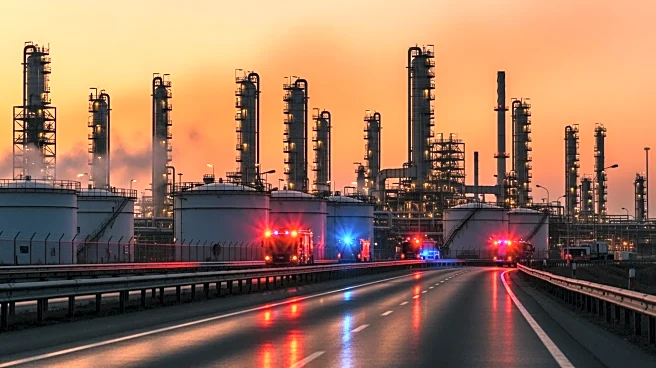
into the air, causing homes miles away to shake. In response, Jefferson County officials initially issued a shelter-in-place order for the west side of Port Arthur, Sabine Pass, and Pleasure Island. State Highways 82 and 87 were closed as a precaution. By 3:30 AM, the fire was reported to be out, and the shelter-in-place was lifted at 5:30 AM. Valero's emergency response team coordinated with local authorities to manage the situation, and the Texas Commission on Environmental Quality (TCEQ) monitored air quality.
Why It's Important?
The incident highlights the potential risks associated with industrial operations and the importance of emergency preparedness and response. The quick action by Valero's emergency team and local authorities helped prevent injuries and further damage. The event underscores the need for robust safety protocols in the energy sector, particularly in areas with dense populations. The closure of major highways and the temporary shelter-in-place order demonstrate the broader impact such incidents can have on local communities, affecting daily life and operations. The TCEQ's involvement in monitoring air quality also reflects ongoing concerns about environmental safety in the aftermath of industrial accidents.
What's Next?
With the fire extinguished and the shelter-in-place lifted, the focus will likely shift to investigating the cause of the fire and implementing measures to prevent future incidents. Valero and local authorities may review and update safety protocols to enhance emergency response capabilities. The TCEQ will continue to monitor air quality to ensure public safety. Community members and local businesses may seek assurances from Valero regarding safety improvements and transparency in reporting. The incident may prompt discussions on regulatory oversight and the need for stricter safety standards in the energy industry.