
What's Happening?
Grand Rapids, Michigan, is preparing for its largest ArtPrize event to date, expecting over one million visitors. The 16-day event, which begins on Friday, features 1,100 artists and 1,025 entries, marking the highest number in eight years. Last year's
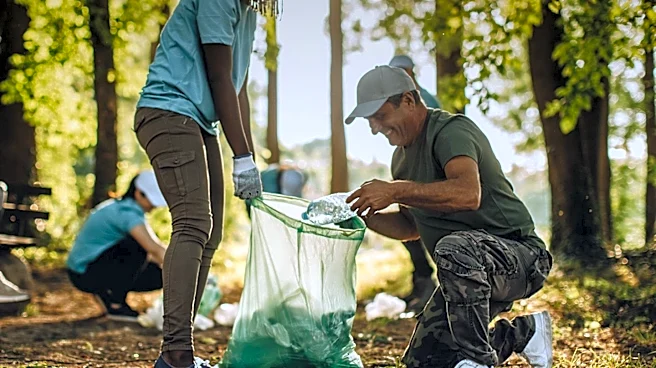
ArtPrize attracted 967,000 visitors and generated an economic impact of $82.6 million. To accommodate the influx of people and maintain public safety and cleanliness, the Grand Rapids Police Department is adding three community officers and a second-shift traffic unit. Additionally, the city is deploying a second-shift street and sidewalk cleaning crew and expanding the coverage of its Homeless Outreach Team. City Manager Mark Washington stated that the goal is to keep the city vibrant, welcoming, and safe for everyone. GRPD Chief Joe Trigg emphasized that officers will be visible and accessible downtown, with expanded community policing and traffic enforcement to ensure safe movement throughout the city.
Why It's Important?
The significant increase in police presence and city services for ArtPrize highlights the economic and social importance of large-scale cultural events for U.S. cities. The projected one million visitors and the substantial economic impact underscore how such events drive tourism, support local businesses, and create temporary employment opportunities. The city's proactive measures in public safety and sanitation are crucial for managing the logistical challenges posed by a massive influx of tourists, ensuring a positive experience for both residents and visitors. This approach aims to mitigate potential issues like increased traffic congestion, public order concerns, and waste management, which can arise from large gatherings. By investing in these services, Grand Rapids seeks to protect its reputation as a welcoming destination and maximize the economic benefits derived from the event, setting a precedent for other cities hosting similar large-scale public events.
What's Next?
As ArtPrize commences, the Grand Rapids Police Department and city services will be actively implementing their enhanced operational plans. Visitors are encouraged to utilize public transportation options, such as the free DASH buses, and alternative modes like Veo electronic bikes and scooters, which recently replaced Lime services. For those driving, the city recommends reserving daily parking through the ParkMobile app, with city-owned ramps and lots offering free assistance for vehicle issues. Metered parking will be enforced from 8 a.m. to 7 p.m. Monday through Friday, with some exceptions. The success of these measures will be evaluated throughout the 16-day event, potentially influencing future planning for large public gatherings in Grand Rapids and other U.S. cities. The city's ability to manage the increased crowds and maintain safety and cleanliness will be a key indicator of the event's overall success.
Beyond the Headlines
The extensive preparations for ArtPrize in Grand Rapids reflect a broader trend in urban planning and event management, where cities increasingly prioritize public safety and infrastructure to support large cultural and economic drivers. The deployment of additional police and sanitation crews, alongside the promotion of alternative transportation, illustrates a comprehensive strategy to balance economic opportunity with urban livability. This approach also touches upon the evolving role of urban centers as hosts for major events, requiring sophisticated coordination between municipal departments, law enforcement, and local businesses. The focus on visitor experience, from safety to convenience, is critical for sustaining the long-term appeal and economic viability of such events, influencing how cities nationwide approach similar large-scale public engagements and their associated challenges.