






What's Happening?
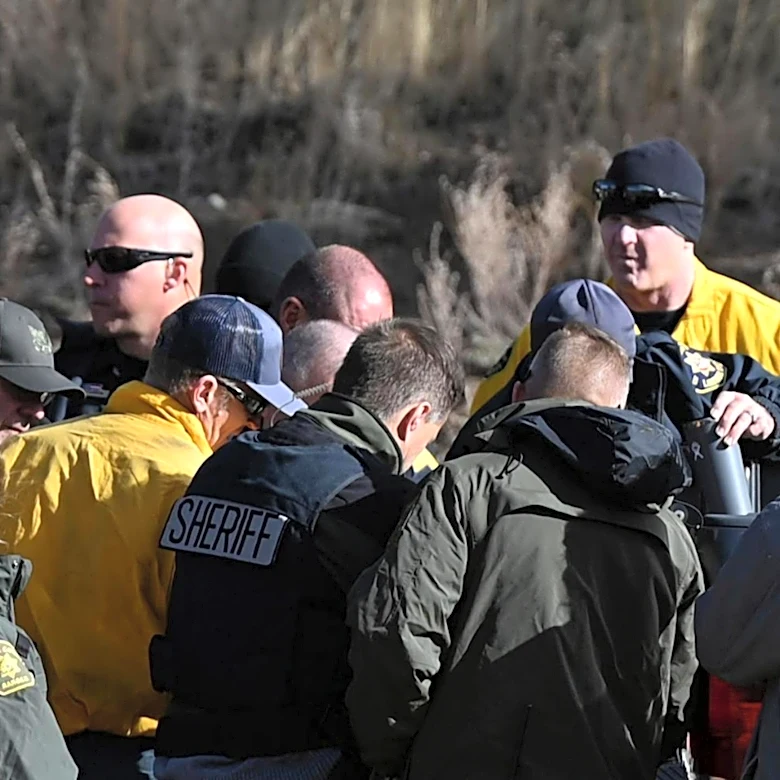
Six individuals were arrested last weekend on suspicion of damaging and illegally excavating an ancient archaeological site at Horvat Adash, near Mevo Beitar in the Judean Hills. The suspects were caught by the Israel Antiquities Authority's (IAA) Theft
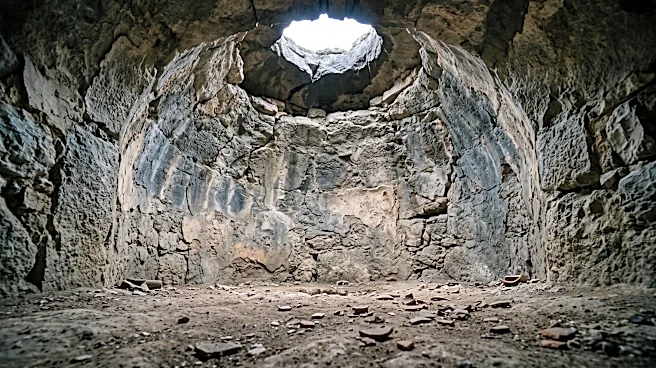
Prevention Unit while allegedly digging inside an underground ancient cistern. Horvat Adash is a declared archaeological site with remains spanning nearly 1,000 years, from the Second Temple period to the Early Muslim period. The suspects arrived with extensive excavation equipment, including a generator, electric jackhammer, augers, digging tools, a long ladder, and lighting. Numerous ancient artifacts, such as pottery vessel fragments, stone vessels, and a zoomorphic vessel fragment, were recovered from the cistern. The IAA believes the cistern, which had become a refuse pit in antiquity, was targeted by the suspects hoping to find treasure. The illegal excavation caused irreversible damage to the site, including the cistern's walls and floor, and the destruction of ancient plaster layers. The six were arrested for damaging an antiquities site, a crime carrying a maximum penalty of five years in prison, and were interrogated.
Why It's Important?
This incident highlights the global challenge of protecting cultural heritage from looting and illegal excavation, a concern shared by the U.S. and its international partners. The irreversible damage to the Horvat Adash site represents a loss of invaluable historical information that cannot be restored, impacting academic research and public understanding of ancient civilizations. For the U.S., which actively participates in international efforts to combat illicit trafficking of cultural property, this case underscores the need for continued vigilance and cooperation. It also serves as a reminder of the destructive impact of 'treasure hunting' fueled by social media narratives, which can inspire similar illegal activities globally. The U.S. government and cultural institutions often work to repatriate illegally acquired artifacts, and incidents like this reinforce the importance of such efforts to preserve the integrity of archaeological contexts worldwide.
What's Next?
Upon completion of the investigation, the case will be transferred to the prosecutor's office to consider filing an indictment against the six suspects. Dr. Amir Ganor, director of the IAA’s Antiquities Theft Prevention Unit, emphasized that illegal excavations cause irreversible damage and that treasure hunting is a serious criminal offense. Heritage Minister Amichai Eliyahu stated that ancient sites are not a 'free-for-all' and that such activities will not be tolerated. This incident may lead to increased public awareness campaigns in Israel and potentially other countries about the legal consequences and cultural damage caused by illegal digging. It could also prompt enhanced surveillance and protection measures for archaeological sites, particularly those vulnerable to such activities.
Beyond the Headlines
The illegal excavation at Horvat Adash transcends a simple criminal act; it represents a profound assault on shared human history and cultural identity. The motivation, often driven by the allure of 'ancient treasures' propagated on social media, reveals a dangerous intersection of modern technology and ancient sites. This phenomenon not only destroys archaeological context, making artifacts meaningless without their original setting, but also fuels the illicit antiquities market, which can sometimes fund criminal enterprises. The incident raises ethical questions about the responsibility of social media platforms to curb content that promotes such destructive activities. It also underscores the ongoing struggle between preservationists and those who view historical sites merely as sources of personal gain, highlighting the continuous need for education, legal enforcement, and international collaboration to safeguard the world's irreplaceable heritage.