





What's Happening?
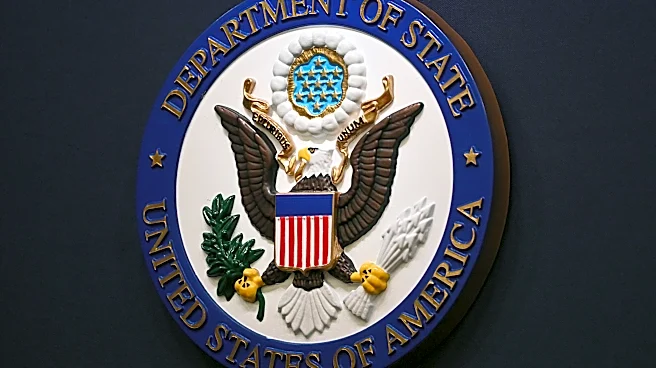
The Trump administration has announced plans to close the U.S. Consulate in Winnipeg as part of a broader effort to streamline operations and manage resources efficiently. The consulate, which does not offer consular or visa services, plays a role in building
trade relations and advancing U.S. policy in the region. The closure is part of a plan to shut down five smaller embassies and consulates. The decision has raised concerns about the U.S. losing direct contact with a significant part of Canada, potentially affecting trade relationships. The closure comes amid tensions between Manitoba and the U.S. over tariffs, with Manitoba recently retaliating by halting imports of U.S.-made alcohol.
Why It's Important?
The closure of the Winnipeg consulate could have implications for U.S.-Canada trade relations, particularly in the context of ongoing tariff disputes. The consulate has served as a point of contact for trade issues and its absence may hinder communication and resolution of trade conflicts. The decision reflects broader cost-saving measures by the U.S. government but may lead to a loss of influence and presence in the region. The closure also highlights the challenges of maintaining diplomatic and trade relationships amid political tensions and economic policies.
What's Next?
The closure of the consulate may prompt Manitoba and other Canadian provinces to seek alternative ways to maintain trade relations with the U.S. The situation could lead to increased reliance on trade representatives and offices in Washington, D.C. to manage cross-border trade issues. The U.S. may need to consider additional diplomatic strategies to maintain its influence and address trade concerns in Canada. The closure could also lead to further discussions on the impact of cost-saving measures on international relations.