




What's Happening?
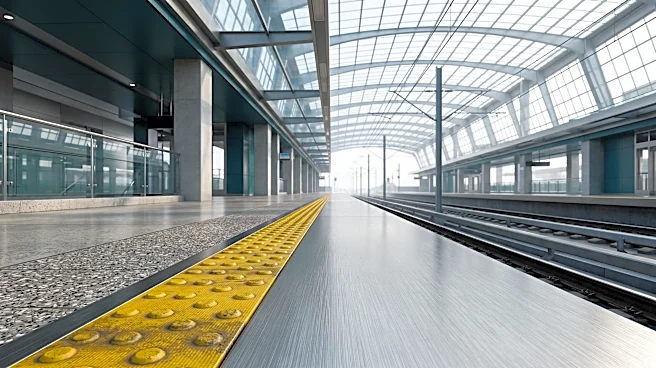
Voters in the Bay Area have approved two critical transit funding measures, ensuring the continuation and expansion of public transportation services. The Regional Transit Measure, a sales tax, and Proposition H, a parcel tax in San Francisco, were both
passed despite initial concerns about their success. These measures address significant financial challenges faced by local transit agencies like Bay Area Rapid Transit (BART) and the San Francisco Municipal Railway (Muni), which have struggled with reduced ridership and disappearing federal funds since the COVID-19 pandemic. Before the pandemic, BART covered 66% of its operating expenses through passenger fares, a figure that has since declined. The Regional Transit Measure is projected to generate $1 billion through a 0.5% countywide sales tax and a 1% increase in San Francisco, while Proposition H is expected to raise $177 million annually for Muni. The successful campaigns garnered support from a diverse coalition, including technology companies, construction, real estate, organized labor, and community groups.
Why It's Important?
The approval of these transit funding measures is crucial for maintaining the mobility and economic vitality of the Bay Area. Without this new funding, essential public transportation services faced significant cuts, which would have negatively impacted commuters, businesses, and the overall regional economy. Public transit systems like BART and Muni are vital for connecting residents to jobs, education, and services, reducing traffic congestion, and contributing to environmental sustainability. The financial stability provided by these measures allows agencies to avoid service reductions, invest in infrastructure improvements, and potentially expand their reach. This outcome also signals a strong public commitment to public transit, even in the face of economic uncertainties, and could serve as a model for other urban areas grappling with similar funding challenges. The broad coalition that supported these measures highlights the widespread recognition of public transit's importance across various sectors.
What's Next?
With the funding secured, Bay Area transit agencies are now tasked with demonstrating effective management and delivering on their promises to voters. BART, the San Francisco Municipal Transportation Agency (SFMTA), the Alameda-Contra Costa Transit District (AC Transit), and Caltrain have already collectively identified $1 billion in operating cost savings over the past five years and implemented system-wide improvements such as contactless payments and taller fare gates. These efforts have contributed to early signs of ridership recovery. The new funding will enable these agencies to continue these improvements, potentially restore routes, replace aging vehicles, and meet increasing fundraising requirements for federal support. The success of these measures also puts pressure on state and federal officials to provide further support for transit initiatives, as local voters have clearly expressed their demand for robust public transportation options.
Beyond the Headlines
The successful passage of these transit funding measures in the Bay Area reflects a broader societal shift towards valuing and investing in public infrastructure, particularly in urban centers. It underscores the understanding that efficient public transit is not merely a convenience but a fundamental component of a thriving, equitable, and sustainable metropolitan area. The unconventional coalition that formed to support these measures—spanning tech, labor, and community groups—suggests a growing consensus across diverse stakeholders about the necessity of robust public services. This outcome could also influence future policy discussions around urban planning, climate change mitigation, and economic development, as reliable transit reduces reliance on private vehicles, lowers carbon emissions, and expands access to economic opportunities for all residents. The public's willingness to tax themselves for these services indicates a long-term vision for urban living that prioritizes collective well-being and infrastructure investment.