




What's Happening?
Roswell, Georgia, is set to reopen Liberty Square Park on Saturday, November 21, at 11 a.m., following a $2.2 million renovation. The 21.4-acre site, located at 1280 Mission Hills Court, will host a ribbon-cutting ceremony followed by a Community Day
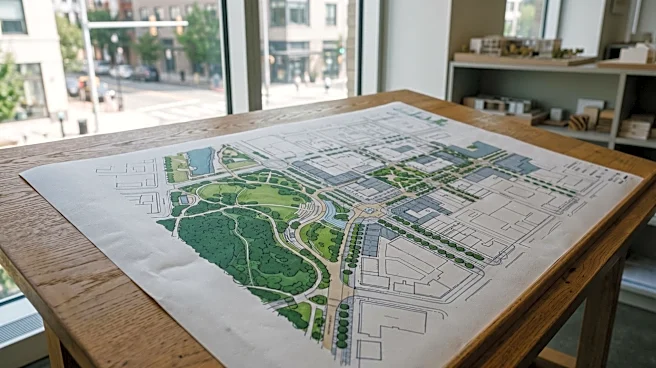
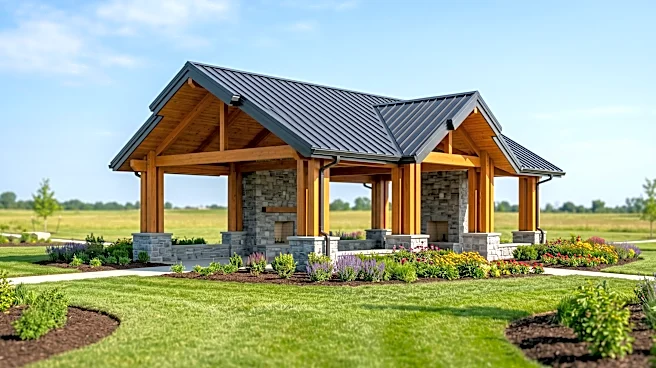
celebration. The redevelopment addresses a long-identified gap in parkland for the area, which was flagged in the city's 2022 Parks Master Plan as significantly underserved. The park is situated within a census block group where nearly 74% of residents are classified as low-to-moderate income. Previously, the site was largely an open grassy field with a single soccer goal. The new park will feature a community pavilion, a unique playground, a passive field for varied uses, fresh landscaping, parking upgrades, restrooms, and stormwater improvements. Community input played a significant role in the redesign, with over 100 residents attending an open house in June 2025 to provide feedback on priorities such as play areas, safe lighting, shaded gathering spaces, and better pedestrian access. Lagniappe Development was awarded the $1,706,921 construction contract, with early construction beginning in February 2026.
Why It's Important?
The reopening of Liberty Square Park is significant for the Roswell community, particularly for residents in the underserved neighborhood near North Point Mall. This project directly addresses disparities in access to recreational spaces, aiming to improve health and community outcomes in an area disproportionately affected by COVID-19, as supported by the INODIC grant funding. The park's new amenities, including playgrounds and shaded areas, will provide much-needed safe and engaging outdoor spaces for families and individuals. The emphasis on community input in the design process ensures that the park meets the specific needs and desires of local residents, fostering a sense of ownership and community engagement. This investment in public infrastructure can lead to improved quality of life, increased physical activity, and enhanced social cohesion within the neighborhood. Furthermore, the project's funding through the federal American Rescue Plan Act highlights a broader national effort to support local communities in their recovery and development.
What's Next?
Following the ribbon-cutting ceremony and Community Day celebration on November 21, Liberty Square Park will officially be open to the public. Residents can expect to immediately utilize the new facilities, including the playground, community pavilion, and improved green spaces. The city will likely monitor the park's usage and gather further feedback from the community to ensure its long-term success and maintenance. The completion of this project may also serve as a model for future urban development initiatives in Roswell and other cities looking to address parkland deficiencies in underserved areas. Local officials will likely highlight the park as an example of successful community-driven development and effective use of federal grant funding. The increased accessibility to quality recreational spaces could also spur further community events and programs within the park, enhancing local engagement and well-being.
Beyond the Headlines
The transformation of Liberty Square Park extends beyond just new amenities; it represents a broader commitment to equitable urban development and community empowerment. The project's focus on an area with a high percentage of low-to-moderate income residents underscores the importance of addressing socio-economic disparities through public infrastructure. By providing a high-quality park in a previously underserved neighborhood, Roswell is investing in the social capital and overall well-being of its residents. This initiative also highlights the critical role of federal funding, such as the American Rescue Plan Act, in enabling local governments to undertake significant community improvement projects. The process of incorporating extensive community feedback into the park's design sets a precedent for participatory planning, ensuring that public spaces truly reflect the needs and desires of the people they serve. This approach can foster greater trust between residents and local government, leading to more sustainable and impactful community development in the long run.