






What's Happening?
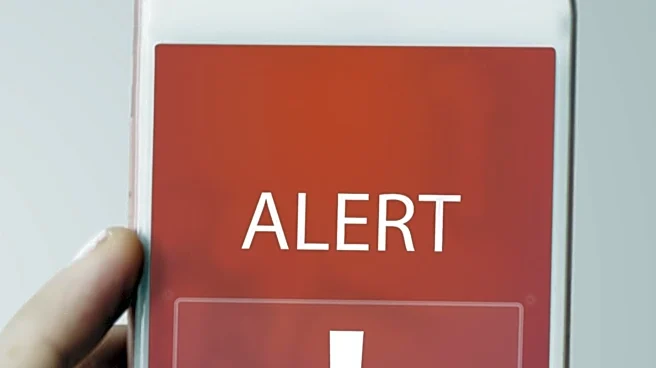
The Fort Bend County Toll Road Authority (FBCTRA) has issued a public warning regarding fraudulent text messages being sent to individuals. These messages falsely claim an 'outstanding toll amount' and direct recipients to an unaffiliated website that
requests personal financial information to settle the alleged balance. The texts often purport to be from 'Texas Toll Services' or another state's agency, creating a sense of urgency by threatening late fees if the balance is not settled promptly. FBCTRA explicitly states that these texts are not from their agency and are a scam designed to obtain sensitive information. The authority advises customers not to click on any links in such unsolicited messages. Instead, drivers who receive a legitimate toll violation notice in the mail should use approved payment methods found on the FBCTRA website or by calling their toll-free number. The FBI’s Internet Crime Complaint Center (ic3.gov) is recommended for reporting suspected fraudulent text messages.
Why It's Important?
This warning from the Fort Bend County Toll Road Authority is crucial for protecting the public from financial fraud and identity theft. Scammers are increasingly sophisticated, using tactics like urgent messages and official-sounding names to trick individuals into divulging personal financial details. The proliferation of these scams can erode public trust in legitimate communication channels from government agencies and toll authorities. For individuals, falling victim to such a scam can lead to unauthorized charges, compromised bank accounts, or even identity theft. For the FBCTRA, these fraudulent activities can lead to confusion among drivers, increased customer service inquiries, and potential reputational damage if the public mistakenly associates the scams with the official toll authority. The FBI's involvement highlights the broader national security implications of internet-enabled crimes and the importance of public vigilance.
What's Next?
The Fort Bend County Toll Road Authority will likely continue to disseminate warnings through its official channels to inform the public about these ongoing text message scams. Drivers are encouraged to remain vigilant and verify the authenticity of any communication regarding toll payments. Law enforcement agencies, including the FBI, will continue to investigate these types of internet-enabled crimes, aiming to identify and prosecute those responsible. The public's active reporting of suspicious messages to platforms like ic3.gov is vital for these investigations, as it helps law enforcement gather intelligence and track fraudulent activities. Individuals who have already clicked on suspicious links or provided personal information should monitor their financial accounts closely and consider taking steps to protect their identity.
Beyond the Headlines
The rise of these toll road text scams reflects a broader trend in cybercrime, where fraudsters exploit common public services and anxieties to commit fraud. This type of scam preys on the fear of penalties and the convenience of digital communication, making it particularly effective. Beyond the immediate financial implications, these scams contribute to a general erosion of trust in digital communications and government interactions. It underscores the need for continuous public education on cybersecurity best practices, such as verifying sender identities and avoiding clicking on unsolicited links. The ethical dimension involves the malicious intent of scammers to exploit unsuspecting individuals, while the legal aspect focuses on prosecuting these cybercriminals and enhancing digital security measures to prevent such occurrences.