
What's Happening?
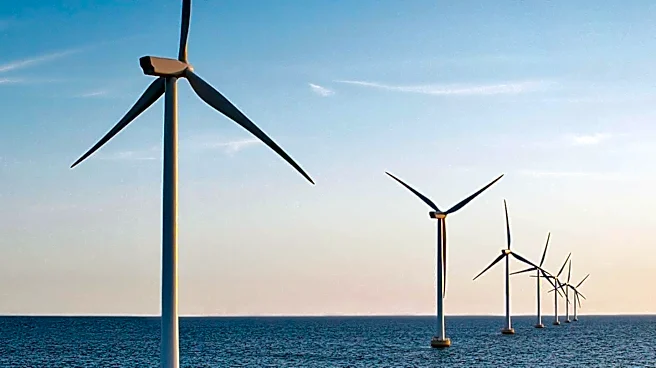
The Trump administration has reached a $1.22 billion agreement with German energy company RWE to abandon offshore wind leases in California, New York, and Louisiana. This move is part of a broader strategy
by President Trump to shift focus from renewable energy to fossil fuel projects, citing offshore wind as unreliable and costly. RWE, a leading global offshore wind developer, has decided to redirect its investments towards fossil fuel projects, including a liquefied natural gas terminal in Louisiana and natural gas turbines. This decision impacts California's clean energy goals, which aimed for 25 gigawatts of offshore wind power by 2045. The agreement leaves only two wind leases intact along the West Coast.
Why It's Important?
The deal represents a significant setback for California's clean energy ambitions and its efforts to combat climate change. By steering investments away from renewable energy, the Trump administration's actions could increase reliance on fossil fuels, potentially exacerbating environmental and economic challenges. Critics argue that this decision undermines California's energy supply stability and its climate goals, while also risking job creation and public investments in the renewable sector. The move has sparked legal challenges from California and other states, highlighting concerns over the misuse of government funds and administrative procedures.
What's Next?
California has issued a notice of intent to sue the Trump administration over previous agreements affecting its clean energy initiatives. Legal challenges are expected to continue, with states and environmental groups contesting the administration's actions. The Humboldt Bay Harbor District remains committed to developing infrastructure for offshore wind, despite the setbacks. The situation may evolve as stakeholders push for accountability and seek to protect renewable energy investments.
Beyond the Headlines
The decision to abandon offshore wind projects raises ethical and legal questions about the prioritization of fossil fuels over renewable energy. It reflects broader political and economic dynamics influencing U.S. energy policy. The long-term implications could include shifts in energy market strategies and increased scrutiny of government dealings with energy companies.