






What's Happening?
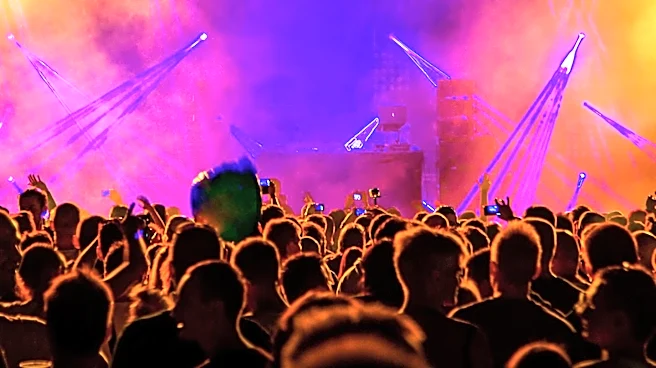
The FML 2 Fest, formerly known as F—k Mike Lee Fest, recently returned to Salt Lake City after a 2.5-year hiatus. On September 5, over 600 emo and indie music fans gathered at Kilby Court Alleyway for the charity music festival. The event aimed to raise
money for various Utah organizations while simultaneously protesting Senator Mike Lee. Jacob West, the creator of the inaugural festival and lead singer of Summer 2000, emphasized the festival's mission to make a stance and support good causes. This year's event, organized by Sam Hurtado and under new leadership from S&S Presents, saw a significant increase in attendance compared to the approximately 200 attendees at the first festival. All ticket sales were directed to local organizations such as Equality Utah, Planned Parenthood Association of Utah, FRIENDS of Great Salt Lake, Utah Wildlife Foundation, and Utah Immigrant Advocacy Coalition. Attendees and performers voiced opposition to Senator Lee's stances on environmental conservation, reproductive rights, and LGBTQ+ protections, with specific concerns raised about data centers and the Great Salt Lake.
Why It's Important?
This festival highlights a growing trend of using cultural events, specifically music festivals, as platforms for political expression and community activism in the U.S. The FML 2 Fest demonstrates how local communities are mobilizing to address political issues they deem critical, such as environmental policy and reproductive rights, by directly linking entertainment with advocacy and fundraising. The significant increase in attendance from 200 to over 600 people underscores a heightened public engagement with these issues and a desire for collective action. By channeling ticket sales to specific charities, the festival directly impacts organizations working on the ground in Utah, providing financial support to causes that align with the attendees' political views. This model of protest through entertainment can empower local groups and foster a sense of community among those who feel disenfranchised by current political leadership, potentially influencing local and state-level political discourse and policy debates.
What's Next?
The success of FML 2 Fest suggests a potential for similar politically charged music events to gain traction across the U.S., especially in states with contentious political landscapes. Organizers and attendees hope that such events will continue to build community and introduce younger generations to political issues, as noted by Luke Bamford of ROTTENBOY. The festival's model of supporting local charities directly opposing specific political policies could inspire other communities to adopt similar strategies for fundraising and activism. Future iterations of the festival or similar events may continue to target specific political figures or policies, potentially expanding their reach and impact. The ongoing engagement of artists playing for free and the strong community turnout indicate a sustainable model for combining music, charity, and political protest, which could evolve into a more formalized movement or inspire broader civic participation.
Beyond the Headlines
The FML 2 Fest taps into the historical connection between music, particularly genres like emo and punk, and social activism. Attendees noted that emo music is inherently political and provides an outlet for expressing emotions related to worldly issues. This festival exemplifies how cultural scenes can serve as vital spaces for political discourse and community building, especially for younger demographics who may feel disconnected from traditional political processes. The event also underscores the power of collective action in challenging established political narratives and supporting marginalized communities. By creating a space where people can enjoy music while contributing to causes they believe in, the festival fosters a sense of solidarity and collective purpose. This blending of entertainment and activism can lead to deeper engagement with political issues, encouraging participants to become more informed and active citizens, and potentially influencing long-term shifts in political engagement and social consciousness.