

What's Happening?
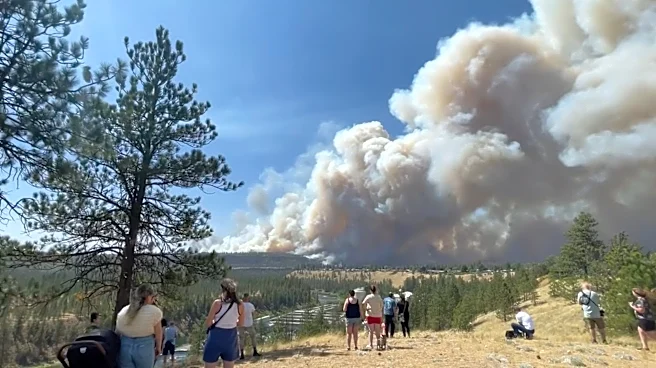
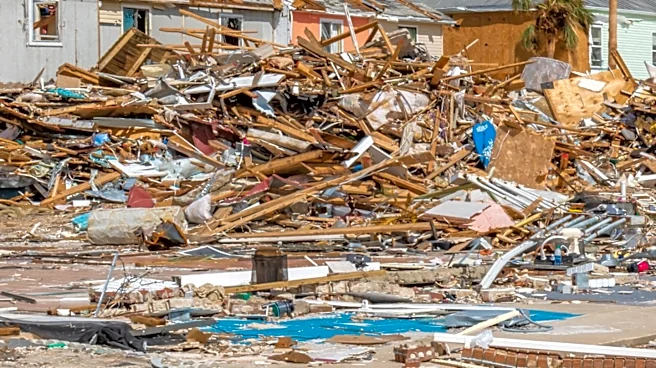
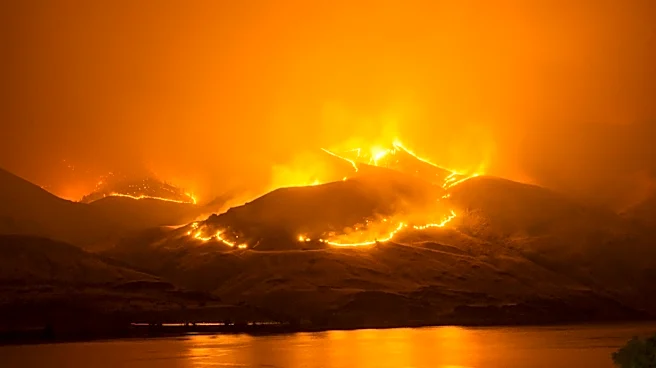
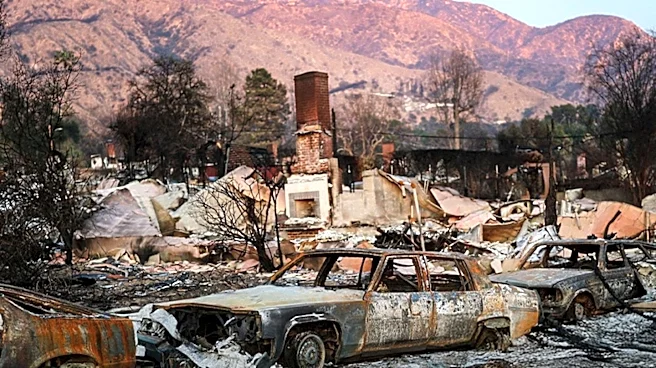
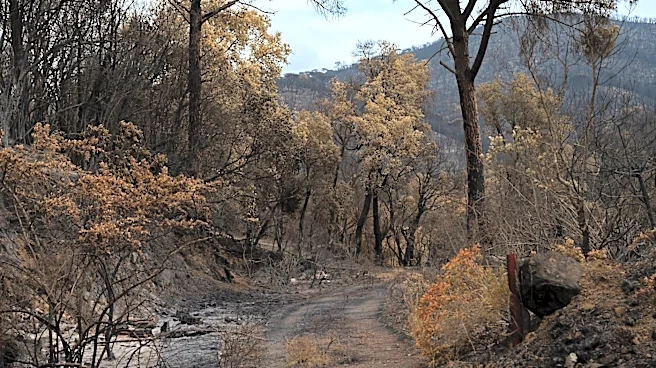
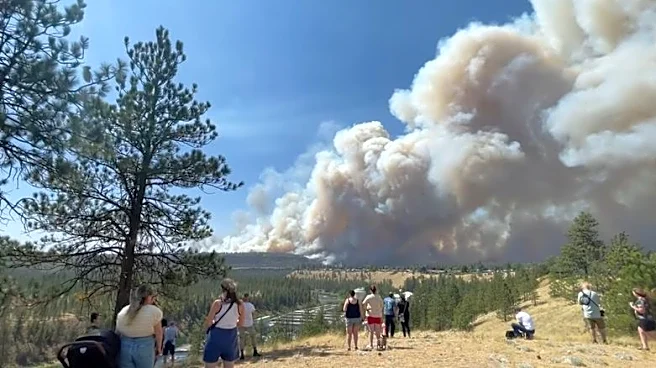
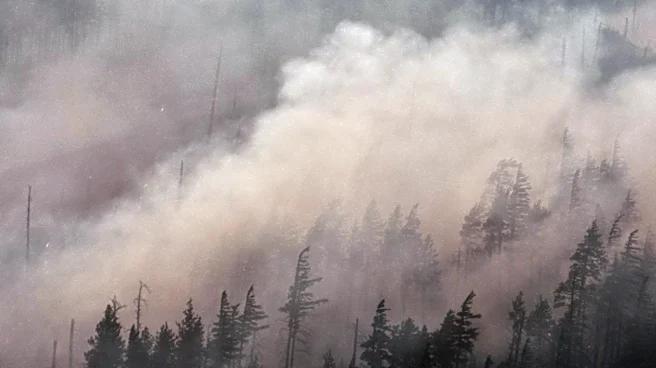
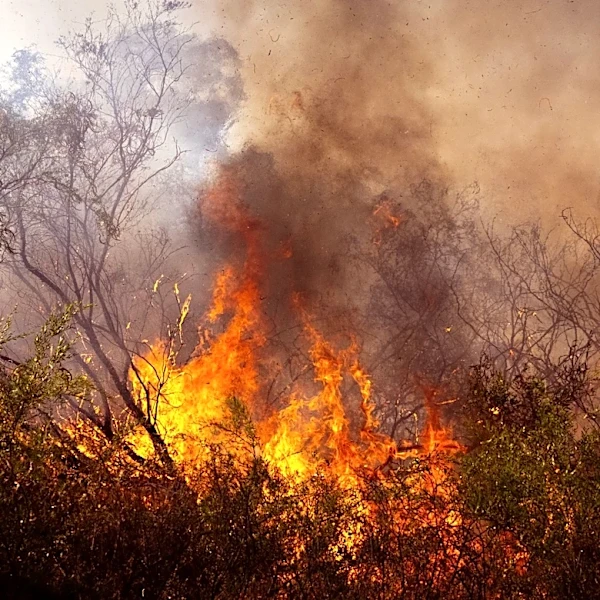
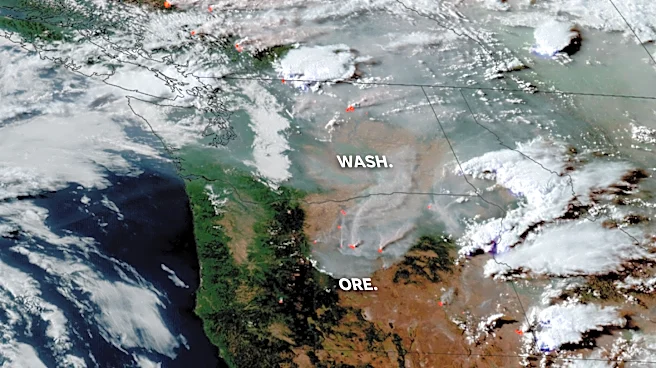
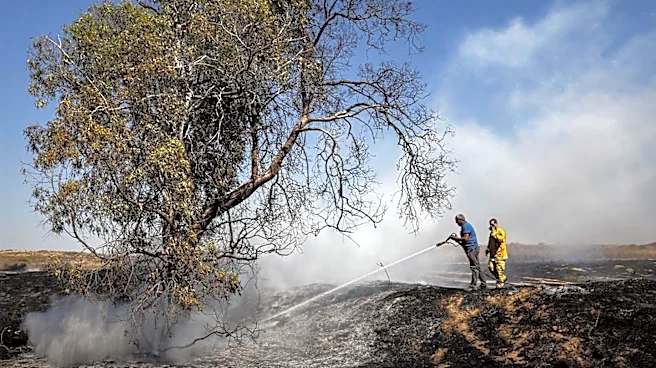
Washington state is experiencing a severe wildfire season, with 15 major fires forcing 60,000 residents to evacuate and destroying hundreds of structures. The fires, fueled by drought and extreme heat, have particularly impacted Spokane, where three significant
blazes are ongoing. Despite no reported fatalities, the fires have caused extensive damage, with at least 600 structures affected. The state's Department of Natural Resources has described the situation as extraordinary, with resources stretched thin due to concurrent fires across the Pacific Northwest. Emergency shelters have been established to support displaced residents, and light winds and cooler temperatures are expected to aid firefighting efforts temporarily.
Why It's Important?
The wildfires in Washington highlight the increasing frequency and intensity of natural disasters linked to climate change. The state's ongoing drought and high temperatures exacerbate fire risks, posing significant challenges to emergency response and resource allocation. The situation underscores the need for comprehensive climate adaptation strategies and improved disaster preparedness. The economic impact is substantial, with potential losses in property, infrastructure, and tourism. The fires also raise concerns about air quality and public health, affecting communities across the region. The state's request for federal assistance emphasizes the scale of the crisis and the need for coordinated efforts to address such environmental challenges.
What's Next?
As the fire season continues, Washington state officials are preparing for potential new outbreaks due to ongoing dry conditions and forecasted heat. The state has declared a state of emergency, banning most burning activities through September to mitigate further risks. Federal assistance has been requested to bolster firefighting resources and support recovery efforts. The situation may prompt discussions on enhancing fire management policies and investing in climate resilience infrastructure. Long-term, the state may need to explore sustainable land management practices and community education to reduce future wildfire risks.