
What's Happening?
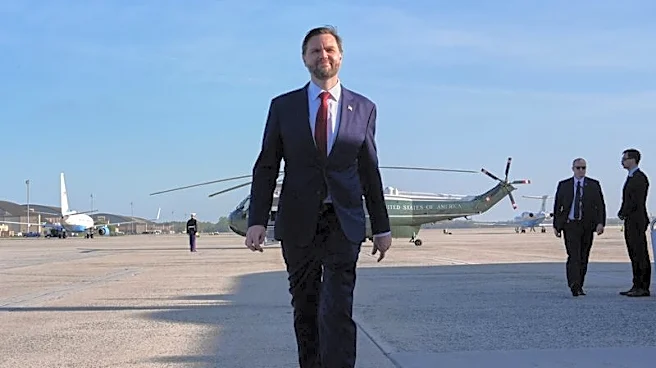
The US-Iran negotiations in Islamabad have concluded without reaching an agreement, as confirmed by US Vice President JD Vance. The talks, which were the first direct meetings between the two nations in over
a decade, aimed to address key issues such as Iran's nuclear program and the reopening of the Strait of Hormuz. Despite extensive discussions, the two sides could not bridge their differences, particularly regarding Iran's nuclear ambitions and control over the strategic waterway. The US delegation, led by Vance, emphasized the need for Iran to commit to not developing nuclear weapons, a demand that Iran has resisted. The failure to reach a deal leaves the future of the fragile ceasefire and the reopening of the Strait uncertain.
Why It's Important?
The inability to secure an agreement has significant implications for global energy markets and regional stability. The Strait of Hormuz is a critical chokepoint for global oil supplies, and Iran's control over it has already led to increased oil prices and market volatility. The failure of the talks also highlights the challenges of diplomatic engagement with Iran, which remains firm in its strategic objectives. For the US, the talks were an opportunity to curb Iran's nuclear ambitions and ensure the free passage of oil through the Strait, both of which are crucial for maintaining regional stability and protecting global economic interests. The breakdown in negotiations raises the risk of renewed conflict, which could further disrupt global energy supplies and exacerbate tensions in the Middle East.
What's Next?
With the talks concluded without a deal, the focus now shifts to potential next steps by both the US and Iran. The US may consider increasing diplomatic pressure or imposing additional sanctions to compel Iran to alter its stance. Meanwhile, Iran may continue to leverage its control over the Strait of Hormuz as a bargaining chip in future negotiations. The possibility of military escalation cannot be ruled out, as both the US and Israel have indicated preparations for potential military actions should the ceasefire collapse. The international community will be closely monitoring the situation, as any escalation could have far-reaching consequences for global security and economic stability.