




What's Happening?
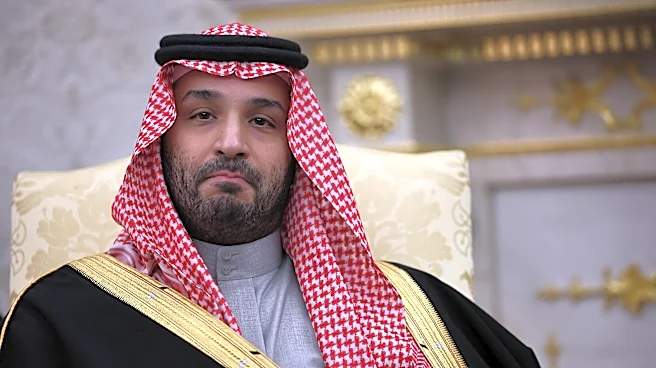
Crown Prince Mohammed bin Salman, the Crown Prince and Prime Minister of Saudi Arabia, received King Hamad bin Isa Al Khalifa of Bahrain in Riyadh. The meeting focused on reviewing the historical relations between the two nations, exploring avenues for
bilateral cooperation, and discussing ways to strengthen and develop these ties. Additionally, the leaders addressed the latest regional developments and the ongoing efforts to enhance security and stability in the region. King Hamad expressed gratitude for the warm reception and commended the efforts of King Salman and the Crown Prince in fostering strong relations and supporting Bahrain. The Crown Prince, in turn, reiterated Saudi Arabia's commitment to deepening its fraternal ties with Bahrain across all sectors and wished for continued progress and prosperity for Bahrain and its people. The meeting saw the attendance of several high-ranking officials from both Saudi Arabia and Bahrain, underscoring the importance of the discussions.
Why It's Important?
This high-level meeting between Saudi Arabia and Bahrain is significant for regional stability and cooperation in the Middle East. The discussions on strengthening bilateral ties and enhancing regional security highlight a shared commitment to addressing common challenges and promoting peace. For the U.S., a stable and cooperative Gulf region is crucial for energy security, counter-terrorism efforts, and broader geopolitical interests. The reaffirmation of strong relations between these two key U.S. allies can contribute to a more unified front on regional issues, potentially impacting diplomatic initiatives and security partnerships involving the U.S. The emphasis on developing bilateral cooperation in various fields could also lead to increased economic opportunities and investment, which indirectly benefits global markets and U.S. business interests in the region. The meeting underscores the ongoing diplomatic efforts within the Gulf Cooperation Council (GCC) to maintain a cohesive regional strategy.
What's Next?
The meeting concluded with a mutual commitment to further strengthen bilateral relations and continue efforts to enhance regional security and stability. While no immediate specific actions were announced, the discussions lay the groundwork for future collaborative initiatives. This could include further diplomatic engagements, joint security exercises, or economic partnerships aimed at fostering greater integration and resilience within the Gulf region. The continued dialogue between these leaders suggests a sustained focus on regional challenges and a desire to present a united front. Future developments may involve follow-up meetings between ministerial delegations to implement the discussed areas of cooperation, potentially impacting trade, investment, and security policies in the broader Middle East.
Beyond the Headlines
Beyond the immediate diplomatic exchanges, this meeting reflects the enduring strategic importance of Saudi Arabia and Bahrain as pillars of stability in a volatile region. The emphasis on 'historic relations' and 'fraternal ties' highlights a deep-rooted cultural and political bond that underpins their cooperation. This relationship is not merely transactional but is built on shared values and mutual interests, particularly in navigating regional complexities and external pressures. The discussions also subtly underscore the evolving dynamics of power and influence within the Gulf, where Saudi Arabia, under Crown Prince Mohammed bin Salman, is increasingly asserting its leadership role. This sustained engagement is critical for maintaining a regional balance of power and addressing issues ranging from economic diversification to counter-extremism, all of which have long-term implications for global security and economic stability.