






What's Happening?
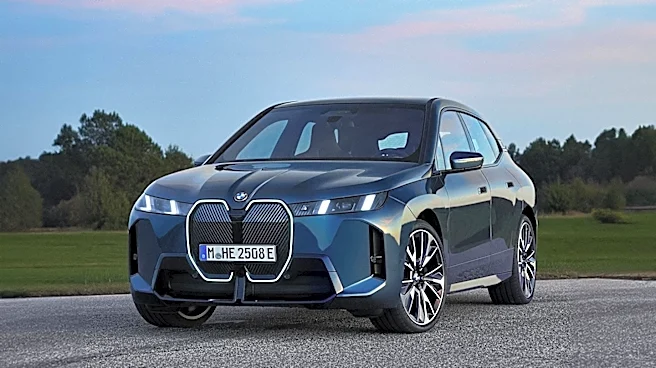
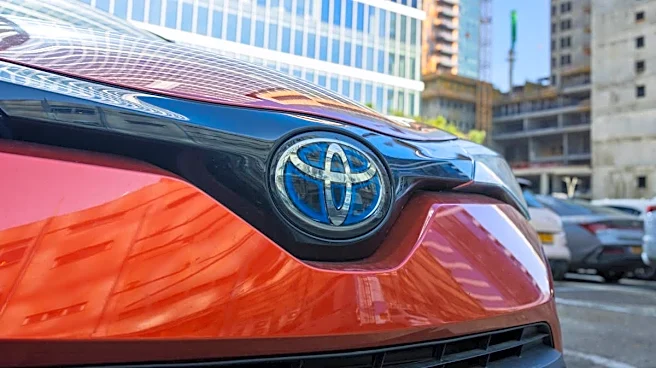
Toyota Motor Europe, BMW Group, Bosch, and Repsol have launched a six-month pilot project in Spain to test the viability of 100% renewable gasoline. Starting in early July 2026, around 20 vehicles from Toyota and BMW will operate using Repsol's Nexa 95
fuel, which is produced from feedstocks compliant with European Union sustainability criteria. The initiative aims to assess whether existing petrol vehicles can be decarbonized at scale using renewable fuels. Bosch's 'Digital Fuel Twin' system will be employed to track and validate fuel usage data, ensuring the renewable nature of the fuel across the supply chain. Spain was chosen for this pilot due to the availability of renewable gasoline at public stations and strong collaboration among partners.
Why It's Important?
This pilot project is significant as it explores an alternative path to decarbonizing road transport, which is currently dominated by the push towards full electrification by 2035 in the EU. By providing real-world data on the use of renewable gasoline, the project could influence EU policy discussions, potentially leading to a more technology-neutral approach to reducing carbon emissions. If successful, this initiative could pave the way for broader adoption of renewable fuels, offering a transitional solution for existing petrol vehicles and reducing the carbon footprint of the transportation sector.
What's Next?
The findings from this pilot will be shared with EU policymakers and industry stakeholders to advocate for the inclusion of renewable fuels in future regulatory frameworks. The project's success could lead to further trials and potentially influence legislative changes that support a diversified approach to decarbonization, balancing between electrification and renewable fuel adoption.
Beyond the Headlines
The pilot highlights the potential for renewable fuels to serve as a bridge technology, allowing for the continued use of existing vehicle infrastructure while reducing emissions. This approach could mitigate the economic and social impacts of a rapid transition to electric vehicles, particularly in regions where electrification infrastructure is lacking.